
Creeping boobialla
Myoporum parvifolium R. Br.
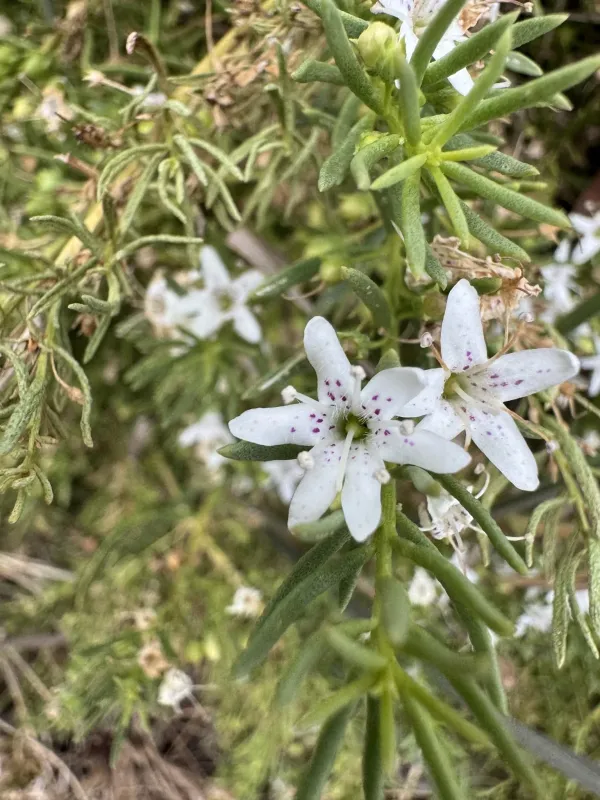
Description
Growing requirements
Creeping boobialla (Myoporum parvifolium) is a member of the Scrophulariaceae family. This evergreen shrub is native to Australia and is widely recognized for its high tolerance to harsh environmental conditions.
The plant thrives in a wide range of soil types, including sandy and saline soils. It requires a full-sun location to maintain its compact growth habit and vibrant leaf color, as shade often leads to sparse growth.
Once established, this species is highly drought-tolerant, making it an excellent candidate for xeriscaping. It performs best in climates where heavy frosts are rare or absent.
Botanically, it features small, fine foliage and dense branching patterns. It produces small, star-shaped white or pale purple flowers during the peak growing season, which attract local pollinators.
It is extensively used in agriculture and land management for erosion control on slopes and as a weed-suppressing groundcover in urban landscaping projects.
Main diseases and pests
Common pests affecting Myoporum parvifolium include scale insects and mealybugs, which tend to congregate in the axils of the leaves under crowded conditions.
Root rot is the most significant threat to the plant, usually triggered by poor soil drainage or excessive irrigation during the colder months of the year.
Leaf spot diseases may occur in areas with high humidity and stagnant air, making proper site selection and spacing essential for disease prevention.
While the plant is generally hardy, it can be susceptible to damage from excessive nitrogen fertilizers, which may encourage succulent growth prone to aphid attacks.
Proper maintenance, such as regular inspection and the removal of dead foliage, is key to keeping the plants healthy and free from fungal pathogens.