
Skirret
Sium sisarum
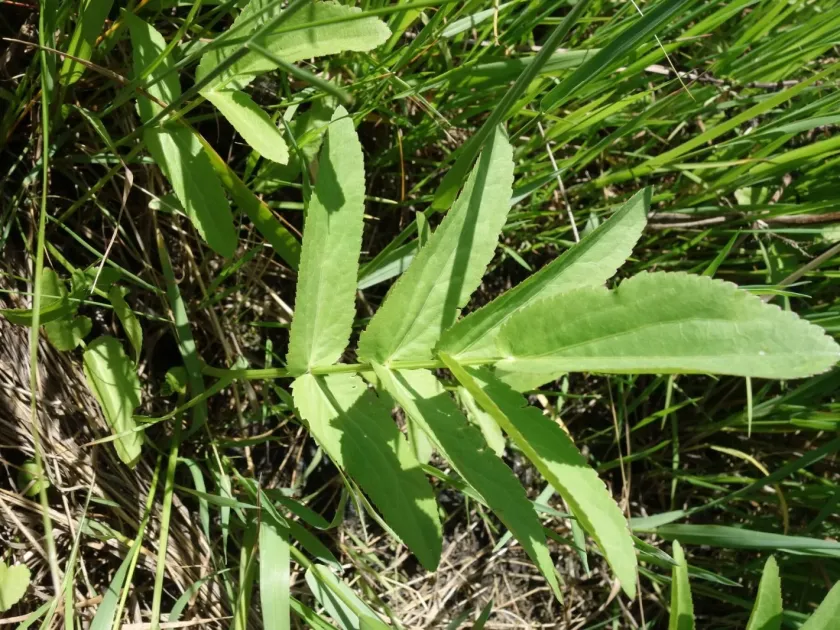
Description
Sowing dates
Skirret is typically sown in early spring as soon as the soil temperatures reach 8–10 degrees Celsius. In regions with milder climates, late autumn sowing is also possible, allowing the seeds to undergo natural stratification in the ground during winter.
Propagation is achieved either through seeds or by dividing mature root crowns. When sowing seeds, rows should be spaced 40–50 centimeters apart to ensure each plant has sufficient room to develop its complex root system.
Skirret seeds are known for slow and uneven germination, so pre-soaking them for 24 hours before planting is highly recommended. Seeds should be sown at a shallow depth of 1–2 centimeters in well-drained, light soil.
For vegetative propagation, crowns are planted into holes about 5–7 centimeters deep. A spacing of 30 by 30 centimeters between divisions allows for the development of high-quality, plump roots within the first growing season.
Seedlings emerge slowly over a period of two to three weeks. During this phase, it is crucial to maintain consistent moisture in the topsoil and to practice regular weeding to prevent competition with faster-growing weeds.
Growing requirements
Skirret (Sium sisarum) belongs to the Apiaceae family and is a hardy perennial vegetable that has been cultivated for centuries. Originally from East Asia, it has historically been valued for its sweet, crisp roots.
This crop has high water requirements, as the name suggests it prefers moist environments. Skirret performs best in fertile, loamy, or peaty soils with a neutral or slightly acidic pH, which promotes the accumulation of sugars in the roots.
The plant thrives in full sunlight, which is necessary for achieving high yields. Excessive shade can lead to stunted root development and a lower sugar content, which impacts the overall flavor profile of the harvest.
The optimal temperature range for active growth is 18–22 degrees Celsius. Skirret is extremely cold-hardy and can successfully overwinter in the ground, even in harsh climates, provided there is a protective layer of snow.
Despite its preference for moisture, the soil must be well-drained to avoid waterlogging, which can lead to root rot. Incorporating organic matter into the soil prior to planting is essential for sustainable crop production.
Yield
The yield of skirret depends largely on soil fertility and the level of horticultural care provided. Under favorable conditions, growers can expect an yield of 1.5 to 2.5 kilograms of roots per square meter of cultivation area.
The nutritional value of skirret is significant due to its high content of inulin and natural sugars. The roots are typically clustered together and possess a crisp texture, making them a popular choice for gourmet and diabetic-friendly cooking.
Yield can be maximized by providing phosphorus and potassium fertilizers during the peak root-development stage. Nitrogen should be applied sparingly to prevent excessive foliage growth at the expense of the root harvest.
Mulching with organic materials helps maintain soil structure and moisture levels, which significantly improves the size and uniformity of the roots. Proper plant density also helps in reducing resource competition.
Quality and yield are directly linked to water management. A drought stress during the summer months causes the roots to become woody and fibrous, which negatively impacts both their culinary properties and market value.
Main diseases and pests
Common pests affecting skirret include those typical of the Apiaceae family, such as carrot flies and aphids. Management strategies include strict crop rotation and the use of approved insecticides only when strictly necessary.
Fungal diseases like powdery mildew and root rots can develop in humid conditions or overly dense plantings. Preventive measures include proper spacing, good air circulation, and the prompt removal of infected plant parts.
Bacterial rot can occur during storage if roots are packed while damp or kept in poorly ventilated areas. Ensuring that roots are clean and thoroughly dried before storage is critical to maintaining a healthy harvest.
Nematodes are a potential threat that can lead to stunted growth and root deformity. Soil sanitation and the use of certified, clean planting material are the most effective ways to manage this issue.
- Monitor for signs of pest damage during the early growth stages.
- Implement a crop rotation schedule with at least 4 years between Apiaceae plantings.
- Select disease-resistant varieties when possible.
- Deep tillage in the autumn helps expose overwintering pest larvae to the elements.
Harvesting
Skirret is harvested in the autumn after the foliage has begun to yellow and die back. The roots should be carefully lifted with a garden fork to prevent mechanical damage, which is vital for keeping them intact during storage.
Once harvested, the roots are cleaned, rinsed, and dried. They are highly versatile in the kitchen, offering a flavor profile between parsnip and sweet potato, and can be boiled, baked, fried, or even ground into a sweet flour.
Storage is best achieved in a cool basement or root cellar. The preferred method is packing the roots in damp sand, which keeps them crisp and prevents dehydration for several months during the winter period.
Some growers leave a portion of the crop in the ground for winter harvesting. However, this must be completed early in the spring, before new growth begins, otherwise the roots become tough and lose their culinary appeal.
Skirret is increasingly recognized as a valuable niche crop for small-scale farms. Its unique properties and adaptability make it a promising candidate for markets focusing on heirloom and healthy, sustainable food options.