
Greater water-parsnip
Sium latifolium
Description
Growing requirements
Greater water-parsnip (Sium latifolium) is a perennial herbaceous plant belonging to the Apiaceae family. In its natural environment, it typically thrives in wetlands, pond margins, marshes, and along slow-moving water bodies.
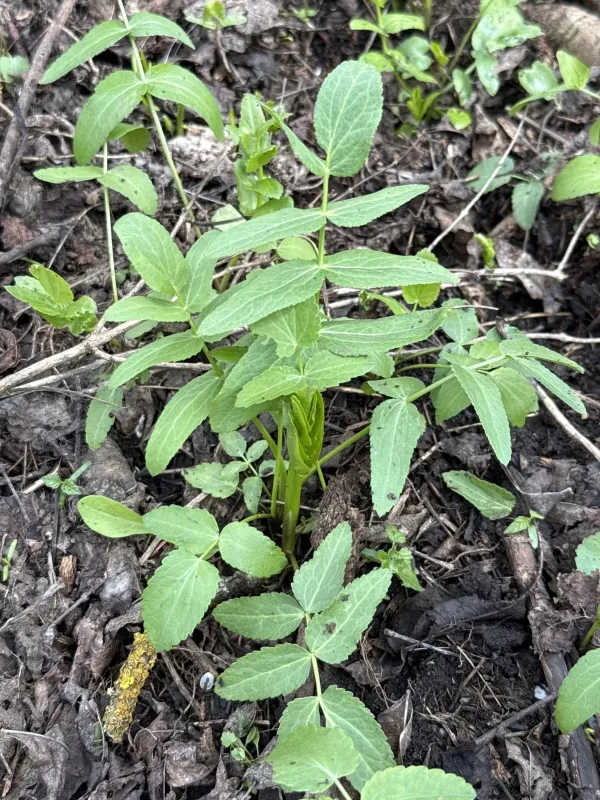
The plant grows up to 150 cm in height, featuring a hollow, furrowed stem and compound leaves. Its strong rhizome system allows it to persist in waterlogged environments, making it a distinct hydrophyte.
Cultivation requirements include a consistently moist, nutrient-rich soil. It prefers silty or peaty substrates and can withstand permanent shallow water, which prevents competition from terrestrial weeds.
The species is native to temperate regions across Europe and parts of Asia. It is highly cold-hardy, adapting well to diverse weather patterns within its natural range, including winter freezing.
Host usage is largely focused on ecosystem restoration and biodiversity management. While historically used in herbal medicine, the plant contains toxic compounds and is generally not recommended for human consumption.
Main diseases and pests
The primary threats include fungal pathogens such as root rot, often triggered by stagnant water combined with lack of soil aeration. Careful management of water flow is essential to maintain plant health.
Insect pests such as leaf beetles and aphids are commonly found on this species during the growing season. They target the succulent leaves and stems, potentially reducing the overall vigor of the plant.
Competition from invasive aquatic species, such as aggressive reeds or cattails, can displace the crop. Regular maintenance and clearing of competing vegetation is required to ensure survival.
Fluctuating water tables represent a significant physiological threat. Rapid drying out of the growing area causes the plant to wilt and increases susceptibility to opportunistic pathogens.
Cross-contamination with other Apiaceae species can lead to the transmission of viral diseases. Maintaining adequate distance between plant populations is a recommended practice in agricultural settings.