
Broad-leaved water parsnip
Sium latijugum
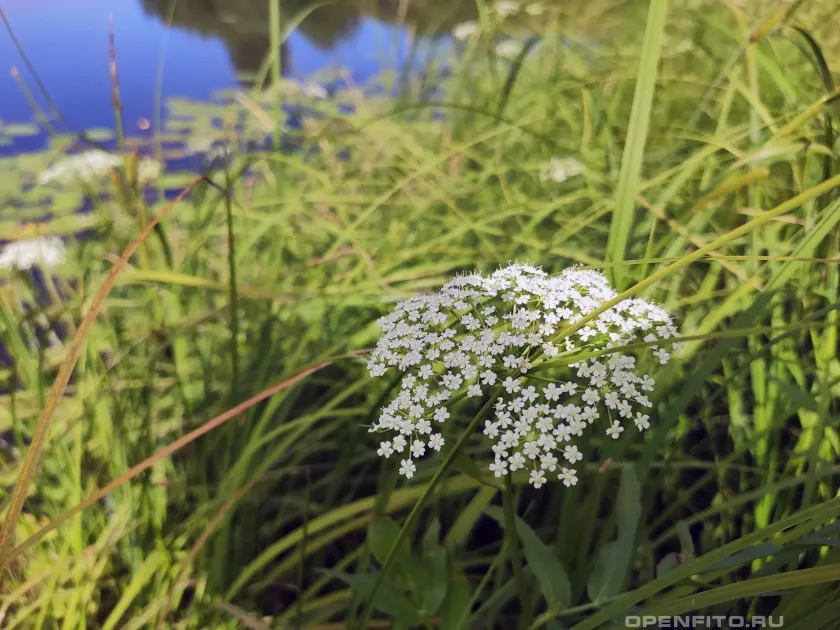
Description
Growing requirements
The Broad-leaved water parsnip (Sium latijugum) is a perennial herb belonging to the Apiaceae family. It is typically found in wetland habitats, riverbanks, and marshy meadows, where it thrives in naturally moist conditions.
The plant features pinnate leaves and a stout stem characteristic of its family. It grows best in environments where moisture is consistently available throughout the growing season, which is essential for its vegetative development.
In terms of soil requirements, it prefers rich, humus-dense, and loamy soils. These soils should ideally have a neutral to slightly alkaline pH, as high soil fertility significantly boosts the biomass production of the plant.
Regarding climate, this species prefers temperate zones with regular rainfall. It is somewhat shade-tolerant but performs best in open areas where moisture levels are maintained by groundwater or strategic irrigation.
Agricultural management requires careful attention to soil moisture. Drip irrigation systems are often employed in cultivation to provide constant humidity without creating stagnant conditions that might harm the plant.
Yield
The commercial use of Sium latijugum is primarily focused on its pharmaceutical and therapeutic applications. The plant contains various bioactive compounds, including essential oils that are highly valued in herbal medicine.
Crop yields are generally determined by the density of planting and the availability of nutrients. Proper soil preparation before planting is vital to ensure robust root growth, which serves as a secondary harvestable part in many medicinal practices.
Efficiency in harvesting is crucial. The aerial parts should be gathered during the peak vegetative phase, just before flowering, to maximize the concentration of beneficial phytochemicals within the tissues.
Post-harvest handling involves drying the raw material in temperature-controlled environments. This prevents the degradation of volatile oils and maintains the high quality required for herbal pharmaceutical production.
Future development of this crop relies on selecting variants with higher yields and improved resilience to environmental stressors, ensuring a steady supply for botanical industries.
Main diseases and pests
Like many species in the Apiaceae family, the Broad-leaved water parsnip is susceptible to fungal diseases such as powdery mildew, especially if air circulation within the field is poor or if the planting density is too high.
Root rot is a major threat during periods of excessive moisture combined with low temperatures. Good drainage is essential, even though the plant prefers wet soil, as stagnant water can lead to root asphyxiation.
Pests such as aphids can cause significant damage to young foliage. Integrated pest management strategies are recommended, focusing on natural predators and avoiding chemical pesticides to maintain the quality of the raw material.
Weed control is another vital aspect of maintenance. Weeds compete for nutrients and water, and in a wetland-based cultivation system, they can become particularly invasive if not managed early in the season.
Monitoring for signs of stress or infection is key to ensuring a healthy harvest. Regular scouting for pests and early signs of leaf spot or discoloration helps prevent widespread damage to the crop.