
Sesbania exaltata
Sesbania exaltata (Raf.) Rydb. ex A. W. Hill
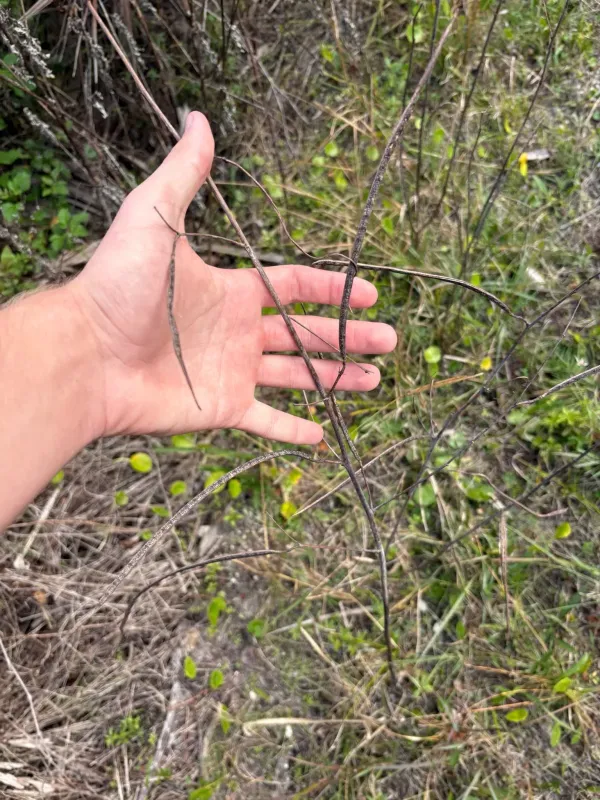
Description
Sowing dates
Sesbania exaltata is a warm-season crop, requiring well-warmed soil at the planting depth for successful germination. Sowing is typically carried out in late spring once all risks of frost have passed.
Seeds often require scarification to overcome physical dormancy caused by a hard seed coat, which significantly improves germination uniformity. In native ranges, planting is often synchronized with the onset of the rainy season.
Seeding rates are adjusted based on the intended use; higher densities are employed for forage and biomass production, whereas lower densities are used when the primary goal is seed multiplication.
Seeds are placed at a depth of 2–3 cm, ensuring adequate contact with soil moisture. Consistent spacing is vital to ensure proper stand density and to prevent localized weed competition.
In regions with shorter growing seasons, early sowing into adequately warmed soil is essential to ensure maximum biomass accumulation before the onset of cooler autumn temperatures.
Growing requirements
As a member of the Fabaceae family, this species is highly adaptable to diverse soil types, including saline and waterlogged soils. Sesbania exaltata is recognized for its significant phytoremediation potential.
The crop requires intense sunlight for optimal growth. Shaded conditions significantly inhibit development and lead to a substantial reduction in total forage or green manure biomass yield.
The plant exhibits exceptional tolerance to periodic waterlogging of the root zone, making it an invaluable crop for flood-prone agricultural lands where other legumes might fail.
Temperature is a critical factor, as the species thrives only in consistently warm climates. Frost is lethal to the plant, and growth rates drop sharply when temperatures fall below the optimal range.
Nitrogen fixation is a key biological trait, allowing the plant to improve soil nitrogen levels through symbiosis with specific rhizobia, thereby reducing the need for synthetic nitrogen fertilizers.
Yield
The biomass yield of Sesbania exaltata is highly dependent on soil fertility and moisture availability. Under optimal conditions, the plant is capable of producing significant amounts of organic matter in a short period.
Its high growth potential allows for multiple cuttings per season if harvesting is managed correctly, specifically before the stems become woody and fibrous, which helps maintain higher forage quality.
Primary agricultural uses include the production of high-protein green forage, hay, or silage. Additionally, it is widely utilized as a green manure crop to restore soil structure and organic matter content.
The biomass is rich in crude protein, making it a valuable feed component for ruminants, though management of anti-nutritional factors is required when feeding in large quantities.
Seed yields are dictated by the length of the warm season. In favorable climates, the plant produces abundant pods, ensuring a steady supply of seeds for subsequent planting seasons.
Main diseases and pests
The crop is relatively resistant to many common field pests due to the presence of specific secondary metabolites. However, young seedlings may be susceptible to defoliating insects in the early growth stages.
Fungal diseases primarily emerge under conditions of high humidity and poor field ventilation. Root rot can become an issue if soil drainage is poor or if the field is consistently waterlogged for extended periods.
Nematodes may affect root systems in continuous monoculture settings. Proper crop rotation practices are recommended as the most effective preventative measure against soil-borne pathogens.
Weed competition is a significant threat during the initial establishment phase. Due to relatively slow early growth, weed control is essential until the crop stand closes and can shade out competitors.
Seed treatment is recommended to prevent seed-borne infections. If disease outbreaks occur, infected plants should be identified and managed using appropriate agronomic interventions to limit spread.
Harvesting
Harvesting for green forage should occur during the early flowering phase before pod formation, as this stage offers the best balance between total biomass yield and nutritional digestibility.
When grown as a green manure, the crop should be incorporated into the soil during peak flowering to ensure maximum nitrogen contribution and organic matter input to the topsoil.
Mechanization of the harvest requires specialized forage choppers. For hay production, rapid drying is critical to minimize leaf loss, as the protein content is concentrated primarily in the foliage.
Seed harvesting requires waiting for full physiological maturity, indicated by the pods turning a dark, dry color. Timely harvesting is necessary to prevent pod shattering and field losses.
Post-harvest residues have a high lignin content, which may require additional time for soil microbial decomposition; farmers should account for this when planning subsequent tillage and planting operations.