
Egyptian riverhemp
Sesbania sesban (L.) Merr.
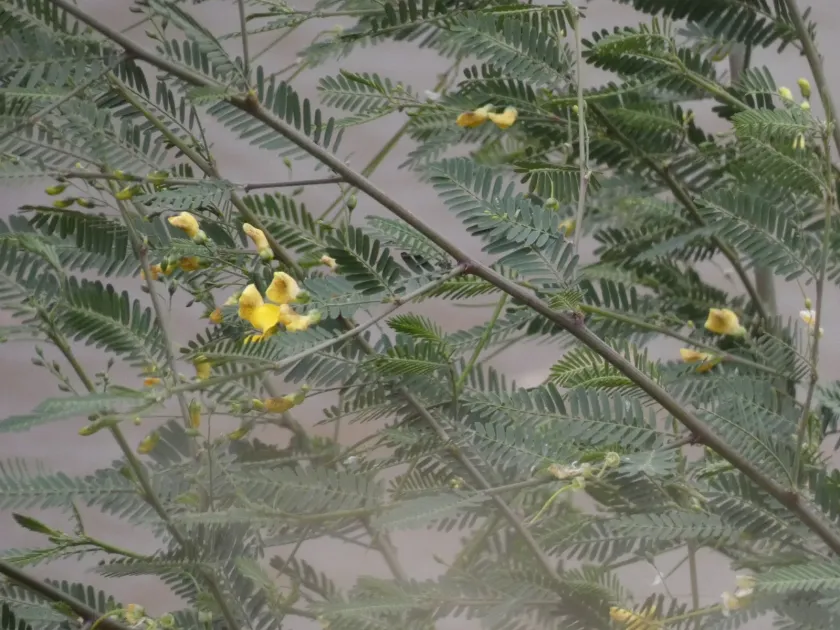
Description
Sowing dates
Egyptian riverhemp (Sesbania sesban) is a fast-growing leguminous shrub belonging to the Fabaceae family. Sowing is typically conducted at the onset of the rainy season to ensure sufficient moisture for seed germination and initial seedling development.
Seeds often require scarification or soaking in warm water to break seed dormancy and improve overall germination rates. Planting is usually done in rows, with seeds placed at a depth of 1–3 centimeters in well-prepared seedbeds.
The crop displays exceptional vigor during the early growth stages, allowing it to compete effectively with weeds. This characteristic significantly reduces the need for manual weeding or herbicide applications in intensive farming systems.
Planting density varies based on the intended purpose, such as dense stands for green manure or wider spacing for timber and fuel production. Adjusting the seed rate is essential to optimize the biomass yield per hectare.
The ability of this plant to establish itself quickly makes it a preferred choice for farmers looking for a rapid cover crop in tropical and subtropical regions with a high need for soil enhancement.
Growing requirements
Sesbania sesban thrives in tropical and subtropical climates, requiring plenty of sunlight and warm temperatures. It is highly adaptable to various soil types, including alkaline, saline, and waterlogged soils where many other crops struggle to survive.
A key biological feature of this plant is its ability to fix atmospheric nitrogen through a symbiotic relationship with Rhizobium bacteria. This process contributes significantly to soil fertility, making it an excellent candidate for crop rotation schemes.
While the plant is quite drought-tolerant, optimal biomass production is achieved when soil moisture levels are adequate. It can survive temporary flooding, which is a major advantage in regions with unpredictable rainfall patterns.
The plant has a broad pH tolerance, growing successfully in soils with a wide range of acidity or alkalinity. This versatility allows it to be used for the reclamation of degraded and marginal agricultural lands.
Proper sunlight exposure is essential for the healthy development of the plant. Shaded environments usually result in stunted growth and a significant reduction in nitrogen-fixing efficiency, which is a key agronomic consideration.
Yield
Egyptian riverhemp is highly productive, capable of yielding 20–40 tons of green biomass per hectare within a short growing season. The plant can be harvested multiple times, as it regrows vigorously after being cut back.
The foliage is rich in proteins, making it a high-quality forage source for ruminants. However, careful management is required as the leaves contain certain alkaloids that necessitate moderate feeding practices in animal diets.
When used as a green manure, the crop incorporates massive amounts of organic matter into the soil profile. This process not only adds nitrogen but also improves soil structure and water-holding capacity, benefiting future harvests.
Woody stems can be harvested for fuel or light construction material, providing an additional source of income for rural communities. With proper pruning, the plant can be maintained as a multi-year source of biomass.
Yields are maximized by adopting a regular harvesting schedule that balances biomass removal with the plant's ability to recover. Over-harvesting can reduce the life span of the shrubs, while under-harvesting may lead to lignification.
Main diseases and pests
Various defoliating insects, including specific caterpillar species, pose a significant threat to young plantations. Monitoring for signs of herbivory is crucial for maintaining a healthy stand of Sesbania sesban.
Root rot and other fungal diseases can occur if the soil remains excessively waterlogged for extended periods. Ensuring good field drainage is a primary preventive measure against these subterranean threats.
Nematodes are another concern, especially in light or sandy soil conditions. Crop rotation with non-host species is the most effective way to manage nematode populations and protect the crop's long-term health.
Viral infections may manifest as yellowing or mosaic patterns on the leaves, often transmitted by sap-sucking insects. Controlling the weed population around the fields can help reduce the incidence of these diseases.
Key threats include:
- Defoliating caterpillars and beetles
- Root fungal pathogens in waterlogged soils
- Root-knot nematodes
- Viral mosaic diseases
Harvesting
For fodder production, the crop should be harvested before the onset of flowering. During this vegetative stage, the nutrient concentration in the leaves is highest, ensuring optimal digestibility and intake for livestock.
When intended for green manure, plants are typically cut or turned into the soil at the bud initiation stage. This timing ensures the plant contains the highest nitrogen levels before it starts diverting energy to seed production.
Seed harvesting involves collecting mature pods that have turned brown or dark in color. Due to the tendency of pods to shatter, timely harvesting is essential to prevent significant seed loss in the field.
Seeds should be dried in a well-ventilated area away from direct sunlight to maintain viability. Storing the harvested seeds in moisture-proof containers prevents mold and protects them from insect damage.
For timber or fuel, harvesting is usually done by pruning branches or cutting the main stem at the end of the dry season. This timing minimizes plant stress and promotes vigorous regrowth as the next rainy season begins.