
Secamone volubilis
Secamone volubilis
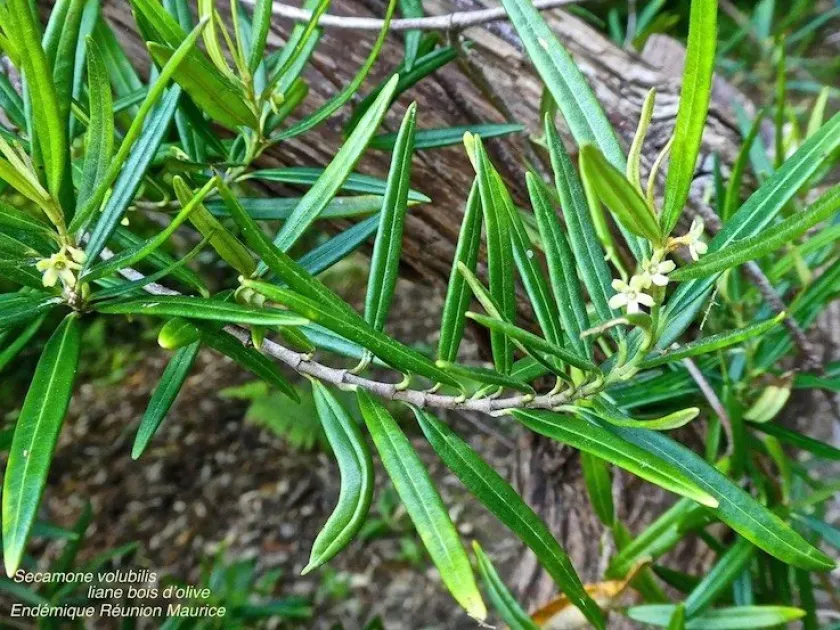
Description
Sowing dates
Secamone volubilis is a perennial evergreen climber belonging to the Apocynaceae family. In agricultural settings, it is typically propagated through seeds or vegetative cuttings in greenhouse environments.
Seeds should be sown in spring into loose, well-draining soil, maintaining a stable temperature between 22 and 25 degrees Celsius for optimal germination success.
Cuttings are usually rooted in a sand-peat mixture under high humidity conditions to ensure the development of a healthy root system while preserving the parent plant's genetics.
As a climbing species, the plant requires robust vertical supports to thrive, allowing its vines to spread and maximize photosynthetic capacity through proper light exposure.
Strategic planting density is essential to ensure adequate airflow between individuals, preventing microclimate humidity from becoming a bottleneck for healthy growth.
Growing requirements
Native to the tropical regions of Africa and Asia, this crop demands a warm climate without extreme temperature fluctuations to maintain year-round vigor.
The plant thrives in well-lit environments but benefits from partial shading during the peak intensity hours of the day to prevent leaf scorch and stress.
Soil requirements include high fertility, neutral pH balance, and excellent drainage, as waterlogging is a primary cause of physiological decline in this species.
Consistent and moderate irrigation is recommended during the active growing season, with significantly reduced watering frequencies during the cooler dormant period.
Balanced NPK fertilizers should be applied during the primary vegetative phase to support the rapid development of stems and foliage throughout the season.
Main diseases and pests
The primary pests affecting this crop include spider mites and mealybugs, which tend to proliferate rapidly if air humidity levels drop below optimal thresholds.
Root rot and various leaf spot fungal infections can occur if the growing medium remains overly saturated or if the planting site lacks proper aeration.
Effective management includes regular monitoring of the underside of leaves and keeping the growing area free of stagnant water and debris to discourage pathogen buildup.
Integrated pest management strategies, including the use of systemic insecticides and proper hygiene, are essential to minimize the risk of yield losses.
Proper spacing and controlled ventilation are the most effective non-chemical preventative measures against the majority of fungal and bacterial threats.
Harvesting
The economic value of Secamone volubilis lies primarily in its medicinal applications, with both leaves and roots harvested for their specialized biochemical compounds.
Harvesting is typically conducted at the peak of the growing season to ensure the highest concentration of phytochemicals within the plant's tissues.
Post-harvest processing involves drying the foliage and roots in dark, well-ventilated areas at controlled temperatures below 40 degrees Celsius to preserve efficacy.
Dried plant material must be stored in airtight containers away from direct sunlight to prevent degradation of active components during the storage period.
Care should be taken during the harvesting process as many plants in the Apocynaceae family produce sap that may cause skin irritation or allergic reactions.