
Secamone dilapidans
Secamone dilapidans
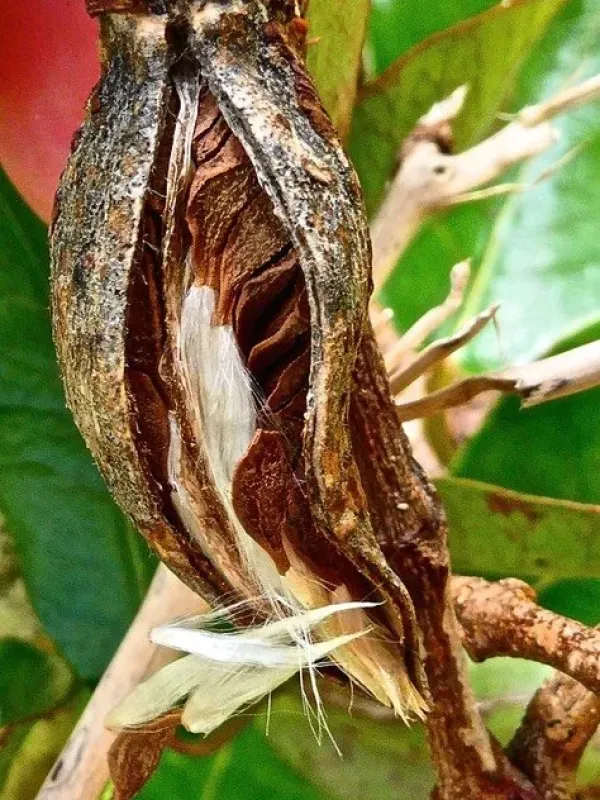
Description
Sowing dates
The planting of Secamone dilapidans is best performed during the spring season, ensuring the soil has reached an optimal temperature for germination. Successful emergence requires consistent moisture and protection from temperature fluctuations.
Preparation of the seedbed involves fine-tuning the soil texture to provide optimal aeration and nutrient availability. Using organic matter to enrich the soil profile significantly improves early-stage plant vigor.
Seed depth is critical for this species, as shallow planting facilitates faster access to light and energy for the seedling. Careful monitoring during the germination phase ensures a high survival rate.
Row spacing should be determined by the intended end-use of the crop, providing enough room for mechanical or manual maintenance. Proper spacing prevents microclimate stagnation around the plants.
For vegetative propagation, selecting high-quality cuttings is essential for maintaining genetic consistency. Proper root stimulation during the early rooting phase is recommended for professional propagation.
Growing requirements
Secamone dilapidans is an intriguing species within the Apocynaceae family, requiring specific environmental conditions to thrive. It performs best in tropical climates where temperatures remain consistently warm throughout the growing cycle.
Soil requirements focus on high permeability and drainage, as the species is highly sensitive to waterlogging. A substrate with a neutral to slightly acidic pH is ideal for nutrient uptake and health.
Light management is crucial, as the plant prefers bright, filtered sunlight to maximize growth without damaging its leaves. In greenhouse environments, artificial shading is often used to simulate natural canopy conditions.
Hydration strategies should focus on steady moisture levels rather than intermittent heavy watering. Using modern irrigation technologies helps maintain the balance required for optimal physiological function.
Regular fertilization with essential micronutrients ensures robust growth and structural stability. Tailoring the nutrient schedule based on the growth stage is a key aspect of successful commercial management.
Main diseases and pests
Common pests affecting this crop include spider mites and aphids, which can proliferate quickly in controlled environments. Integrated pest management (IPM) is strongly recommended to maintain plant health.
Root rot is a major threat linked to excessive soil moisture and poor drainage, often caused by pathogen outbreaks. Maintaining a strict sanitation protocol is vital for protecting the crop throughout the season.
Fungal issues such as powdery mildew may develop under poor ventilation conditions. Improving airflow and maintaining moderate humidity levels are effective preventative measures for any professional grower.
Monitoring for signs of early stress is essential to prevent extensive damage. Early detection allows for localized treatments, reducing the overall need for chemical intervention.
- Implement strict quarantine for new planting material.
- Rotate crops to prevent long-term soil pathogen accumulation.
- Maintain optimal airflow to discourage fungal growth.