
Secamone afzelii
Secamone afzelii
Description
Growing requirements
Secamone afzelii is a perennial woody climber belonging to the Apocynaceae family. Native to the tropical regions of Africa, this plant has historically been utilized by local communities for its therapeutic properties, often found trailing or climbing in forest understories.
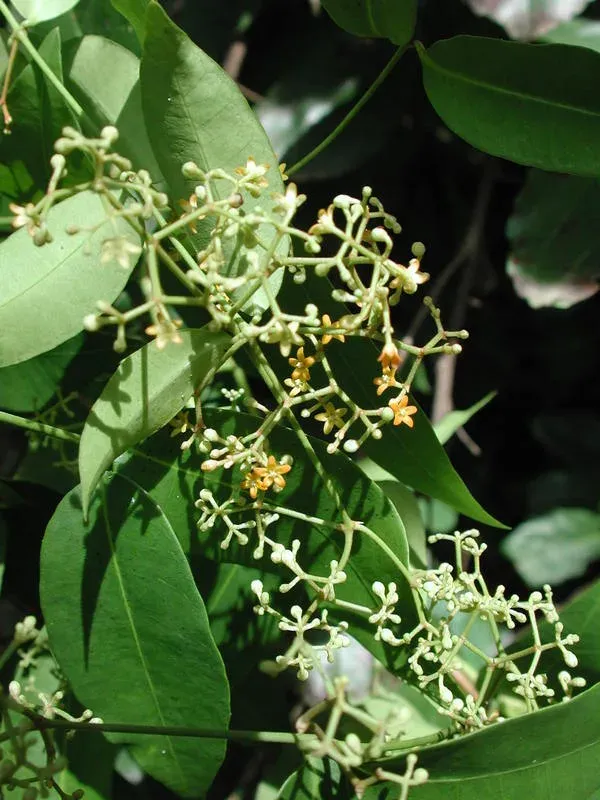
Botanically, the plant features distinct, leathery leaves and flexible stems adapted to reach sunlight through forest canopies. It belongs to a diverse genus known for its secondary metabolites, which are essential for its chemical profile and subsequent pharmacological research potential.
The cultivation of this species requires a tropical environment characterized by high ambient humidity and consistently warm temperatures. In an agricultural context, it thrives best in areas mimicking its natural habitat, which is often found in humid tropical woodlands with filtered sunlight.
Soil requirements for Secamone afzelii include well-drained substrates rich in organic matter. Proper drainage is essential to prevent root rot, as the plant does not tolerate waterlogging. Maintenance of soil fertility through natural mulching or balanced organic fertilization is recommended for optimal biomass production.
The primary agricultural interest in this species lies in its ethnobotanical value. Future industrial cultivation strategies focus on sustainable harvesting methods, ensuring the long-term viability of the plant while maintaining the potency of the phytochemicals extracted from its leaves and stems for medical use.