
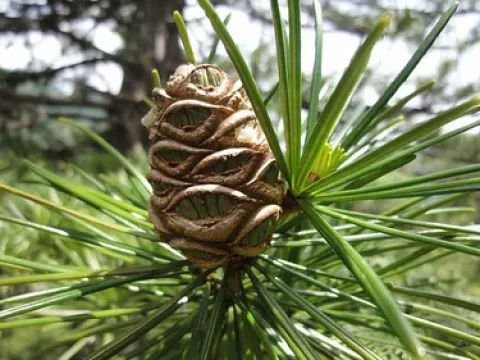
Sciadopitys
Sciadopitys Siebold & Zucc.
Sciadopitys verticillata, commonly known as the Japanese umbrella pine, is a unique coniferous tree belonging to the family Sciadopityaceae. It is a relict species native to the moist, mountainous forests of Japan.
What the section contains

Sciadopitys
This species thrives in humid environments with well-drained, acidic soil. It prefers partial shade and needs protection from harsh winds, which can cause significant damage to its evergreen foliage.
Soil requirements include high organic matter content and a low pH level. Proper drainage is critical, as stagnant water is detrimental to the plant's health and leads to root-related issues.
In terms of climate, it performs best in temperate zones with consistent moisture. Younger plants are sensitive to frost and require winter protection to survive in colder climates until they become established.
The primary use of this crop is ornamental horticulture. Its slow growth rate and distinctive whorled needle arrangement make it a prized specimen in landscaping and high-end botanical gardens.
The main threats to Sciadopitys are fungal infections, which often occur due to poor air circulation or waterlogged soil conditions leading to root rot.
Insect pests such as spider mites and scale insects are common, particularly when the ambient humidity is insufficient during dry summer months.
Effective management strategies involve regular monitoring of the foliage and ensuring the substrate is maintained at the correct moisture level without becoming overly saturated.
In case of infestation, systemic insecticides or horticultural oils can be used to control pests effectively while minimizing damage to the plant's delicate needles.
Proactive care involves creating a stable environment, which helps the tree maintain natural resistance against diseases and pests throughout its long life cycle.