
Sciadopitys verticillata
Sciadopitys verticillata (Thunb.) Siebold & Zucc.
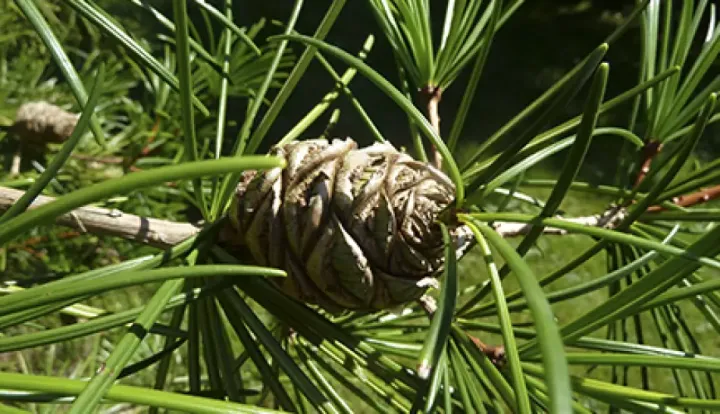
Description
Growing requirements
Sciadopitys verticillata, commonly known as the Japanese umbrella pine, is a unique conifer species belonging to the family Sciadopityaceae. It is a living fossil native to the moist, mountainous forests of Japan, known for its distinctive needle arrangement.
The plant thrives in regions with high atmospheric humidity and temperate climates. It requires a partially shaded location, as the needles are sensitive to intense direct sunlight, which can cause significant browning and dehydration of the foliage.
Soil conditions are critical for its development; it demands well-draining, acidic, and fertile soil. Waterlogging is extremely detrimental to the root system, often leading to rapid decline, which necessitates careful soil preparation and drainage systems.
Agronomic maintenance includes regular irrigation to keep the root ball moist but not waterlogged, especially during the first years after planting. Mulching with organic matter is highly recommended to preserve soil moisture and regulate ground temperature.
In cooler regions, winter protection is essential. While hardy to a certain degree, the plant benefits from protection against cold, drying winds, which can desiccate the evergreen needles during the winter months.
Main diseases and pests
The primary health threats to Sciadopitys verticillata are related to fungal pathogens, particularly those triggered by poorly drained soil. Phytophthora and various root rots are the most common causes of plant loss in cultivated environments.
Scale insects and spider mites represent the main pest threats for this species. These pests tend to target stressed plants, leading to needle yellowing, premature shedding, and general loss of ornamental vigor.
Integrated pest management strategies are advised, including proper aeration and avoiding heavy nitrogen fertilization that encourages soft, succulent growth attractive to insects. Routine inspections of the needles and branches allow for early detection.
- Monitor drainage levels consistently.
- Use fungicides preventively in high-humidity seasons.
- Apply dormant oils to manage scale populations.