
Curly-grass fern
Schizaea pusilla
Description
Growing requirements
The curly-grass fern (Schizaea pusilla) is a small, specialized fern belonging to the Schizaeaceae family. As a rare and endangered plant species, it is not cultivated for agricultural production but is significant for ecological research and botanical conservation efforts.
The plant is native to eastern North America, particularly found in parts of Canada and the United States. It exclusively thrives in specific habitats, such as acidic peatlands, bogs, and the edges of damp, sandy substrates that are generally unsuitable for commercial farming.
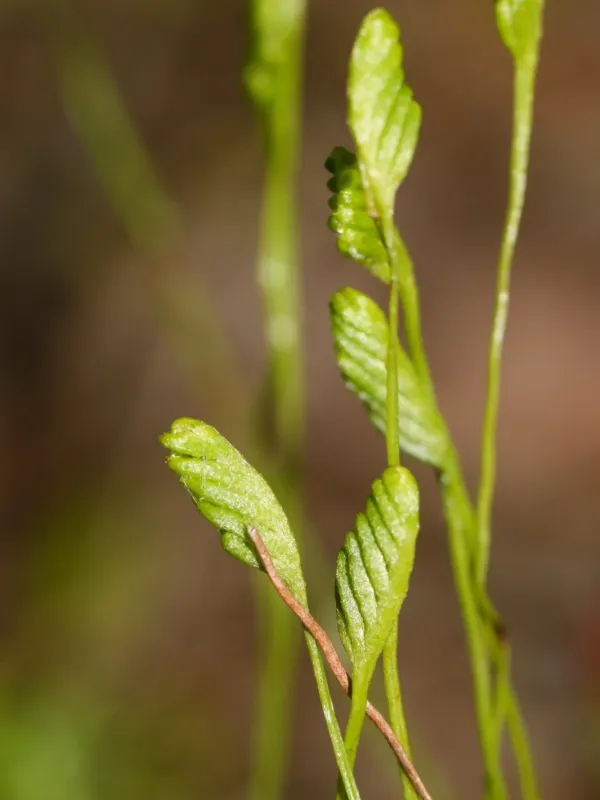
Botanically, the species is distinguished by its dimorphic fronds. The sterile leaves are grass-like and often curl into spiral shapes near the base, while the fertile fronds are erect and terminate in a unique, comb-like structure that produces the plant's spores.
Environmental requirements for this fern are very strict. It requires constant moisture, high humidity, and acidic, low-nutrient soils. It cannot tolerate competition from invasive species or changes in the water table, making its survival dependent on untouched wilderness areas.
From an agronomic perspective, Schizaea pusilla has no commercial use. Its value is strictly scientific, serving as an indicator of habitat quality in pristine environments. Conservation strategies are essential to prevent the extinction of this delicate species in its endemic regions.