
Schefflera venulosa
Schefflera venulosa
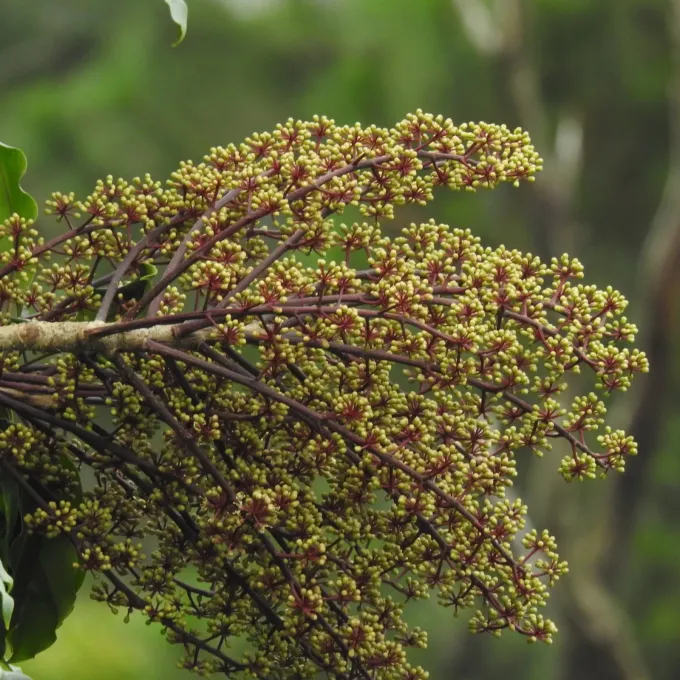
Description
Growing requirements
Schefflera venulosa is a striking ornamental plant belonging to the Araliaceae family. Native to the moist forests of Southeast Asia, it is well-known for its elegant, palmately compound leaves and climbing growth habit.
This species thrives in bright, indirect light conditions. While it can adapt to lower light levels, bright filtered light promotes denser foliage and healthier stem development during the growing season.
The ideal soil for this culture must be well-draining and slightly acidic. A mix consisting of peat, bark, and perlite provides the necessary aeration to prevent the root system from suffocating in heavy, waterlogged soil.
Climate requirements include a stable temperature range of 18°C to 24°C. Sudden temperature spikes or cold drafts from air conditioners can cause significant leaf drop and stress the plant's vascular system.
Consistency in moisture management is vital. Watering should be carried out when the top layer of the soil feels dry to the touch, ensuring that no excess water accumulates at the base of the container.
Main diseases and pests
Common pests affecting Schefflera venulosa include spider mites and scale insects, which often thrive in environments with low humidity and poor ventilation.
Fungal pathogens typically emerge due to poor cultural practices, specifically overwatering, which leads to root rot symptoms, such as wilting and soft, dark stems.
Implementing regular monitoring of the underside of the leaves is a proactive way to detect early infestations of sap-sucking pests before they spread across the entire crown.
Good air circulation is essential for reducing the humidity around the foliage, which helps prevent the development of powdery mildew and other leaf-spotting fungi.
If chemical control becomes necessary, use insecticidal soaps or neem oil solutions, ensuring thorough coverage of both the leaf surfaces and the stem nodes where pests tend to hide.