
Schefflera decaphylla
Schefflera decaphylla
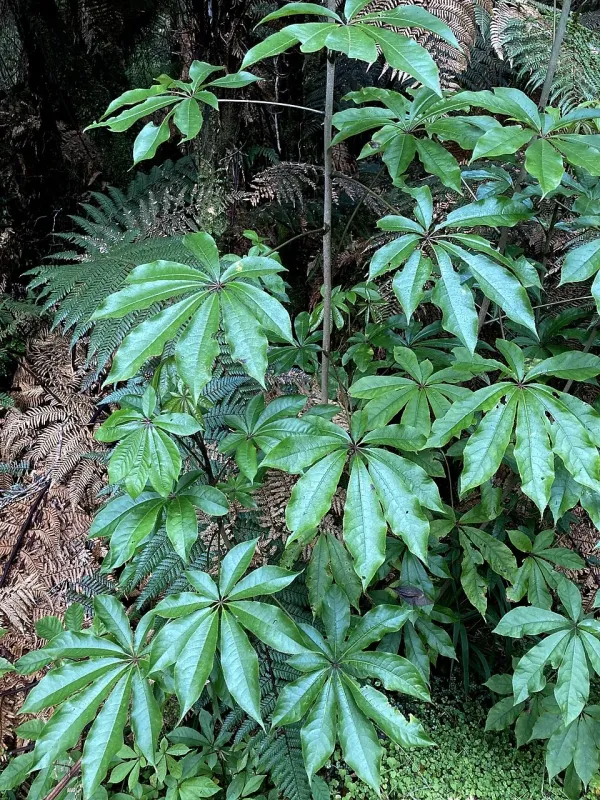
Description
Growing requirements
Schefflera decaphylla, a prominent member of the Araliaceae family, is a broadleaf evergreen shrub native to the tropical regions of Southeast Asia. It is highly valued for its distinctive foliage and architectural growth habit.
The plant thrives in warm tropical conditions. Optimal growth is observed at temperatures between 20°C and 25°C. Exposure to sudden drops in temperature can cause significant physiological stress and defoliation.
Light intensity is a critical factor for the development of Schefflera decaphylla. While it requires bright light to maintain its ornamental features, direct tropical sun can cause leaf scorching. Filtered or indirect light is ideal for healthy growth.
Soil management requires a medium with excellent drainage properties. A blend consisting of organic peat, composted bark, and sharp sand ensures that the root system maintains proper aeration and nutrient absorption.
Humidity management is essential. In environments with low humidity, the plant should be misted frequently or provided with a dedicated humidifier to prevent the drying of leaf margins and to maintain overall vigor.
Main diseases and pests
Spider mites are a major threat, particularly in dry indoor environments where they thrive by puncturing leaf cells and removing chlorophyll, leading to yellowing and plant decline.
Root rot, primarily caused by excessive soil moisture and poor drainage, represents the most significant pathological threat to this species. It necessitates strict adherence to irrigation schedules.
Scale insects can attach themselves to the stems and leaf undersides, extracting phloem sap. Left untreated, these pests significantly reduce the plant's capacity for photosynthesis and general growth.
Mealybugs are another common pest that congregate in leaf axils, producing a white waxy secretion that creates optimal conditions for sooty mold growth on the leaf surfaces.
Preventive maintenance involves regular inspection and hygiene. Cleaning leaves with a damp cloth prevents dust accumulation and allows for early detection of potential pest or disease outbreaks.