
Schefflera hybrid
Schefflera hybrids
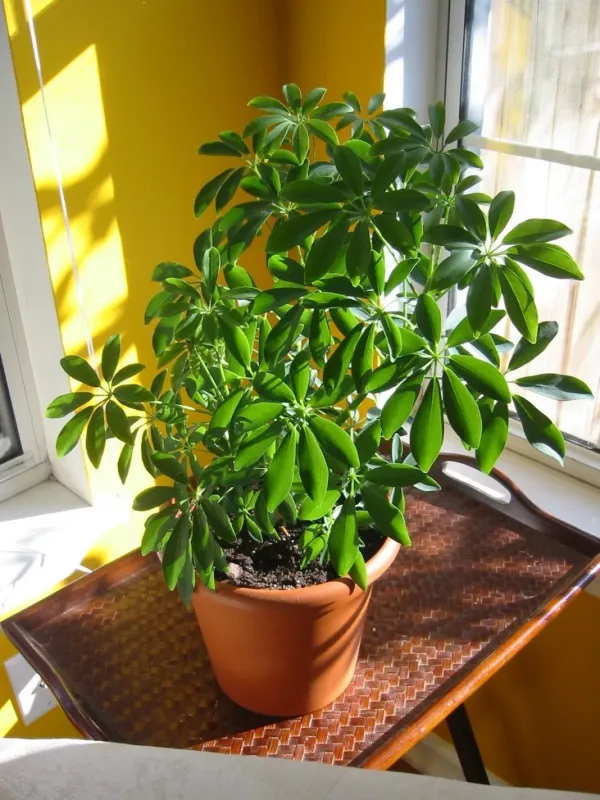
Description
Growing requirements
The Schefflera hybrid is a widely grown decorative plant belonging to the Araliaceae family. These plants are the result of hybridizing various wild species native to the tropical forests of Southeast Asia and Oceania, specifically developed for indoor cultivation and aesthetic versatility.
Cultivation requires bright, indirect sunlight to maintain the vibrancy of the foliage. While some hybrids can tolerate partial shade, insufficient light often results in elongated, weak stems and the loss of variegation in leaves that are naturally patterned.
Temperature management is critical; the plants thrive in temperatures between 18 and 22 degrees Celsius. They are sensitive to cold drafts and sudden drops in temperature, which can lead to rapid leaf drop and potential root shock during the winter months.
A well-draining, nutrient-rich soil medium is essential for optimal growth. Commercial potting mixes fortified with perlite or pumice are recommended to ensure proper aeration, as the roots are highly susceptible to oxygen deprivation if the soil remains waterlogged.
Watering practices should focus on keeping the soil consistently moist but never saturated. Agronomists recommend the soak-and-dry method, ensuring the top layer of the substrate is dry to the touch before applying water again to prevent crown and root rot.
Main diseases and pests
Common pests affecting Schefflera hybrids include spider mites, scale insects, and mealybugs. These infestations are significantly more prevalent in environments with low humidity, making regular air misting a vital part of pest management.
Root rot is the most common physiological disorder caused by overwatering or poor drainage. Infected plants often show signs of wilting despite having moist soil, requiring immediate repotting and the removal of necrotic root tissues.
Fungal leaf spot diseases may occur in poorly ventilated spaces. Reducing humidity levels around the foliage and improving airflow typically resolves these issues without the need for intensive chemical interventions.
Systemic insecticides should be used as a last resort if manual control (such as wiping leaves or physical removal of pests) fails to contain the infestation. Always follow the manufacturer's dosage guidelines strictly.
Maintaining a clean growing environment is a key preventive strategy. By removing fallen leaves and checking the plant regularly for early signs of stress, growers can ensure the longevity and health of the Schefflera hybrid.