
Sauvagesia sprengelii
Sauvagesia sprengelii
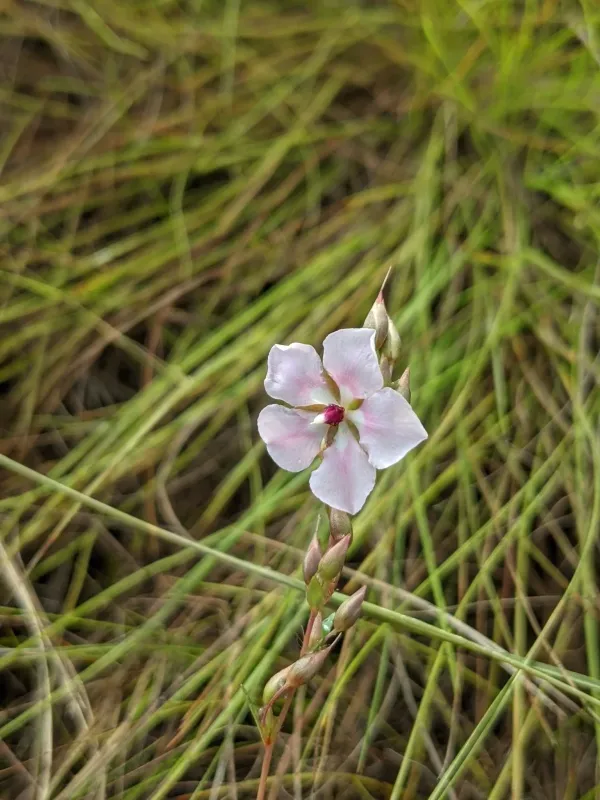
Description
Sowing dates
Sowing Sauvagesia sprengelii should be performed in a controlled environment to ensure successful germination. Early spring is the most suitable time, as the increasing day length supports the rapid development of young seedlings.
The seeds are small and should be sown on the surface of a light, moisture-retentive substrate consisting of peat and perlite. A fine mist spray is used to maintain humidity without displacing the tiny seeds from the soil surface.
Temperature control during the germination phase is critical, with a range of 22 to 25 degrees Celsius being optimal. Higher temperatures may trigger dormancy rather than active growth.
Once true leaves appear, seedlings should be carefully pricked out into small containers. It is essential to avoid disturbing the fragile root system during this sensitive transition phase.
Adequate spacing between individual plants is necessary to allow for proper airflow, preventing the development of damping-off diseases that frequently affect young tropical seedlings.
Growing requirements
Sauvagesia sprengelii is a unique member of the Ochnaceae family, native to tropical environments. It requires a stable climate with high humidity and consistent warmth throughout its growing season.
The preferred soil profile is a well-draining, acidic to neutral medium that is rich in organic matter. Using a specialized mix for acid-loving tropical plants can help meet these specific nutritional needs.
This crop thrives in bright, indirect sunlight. Direct exposure to intense sun rays should be avoided, especially in afternoon hours, as the delicate foliage is prone to dehydration and heat stress.
Watering frequency should be determined by the moisture levels in the top 2-3 centimeters of soil. Consistent moisture is vital, yet the substrate must never become waterlogged to prevent root oxygen deprivation.
For optimal health, the plant benefits from regular environmental monitoring to ensure that both temperature and humidity levels remain within the narrow range suitable for its tropical origin.
Main diseases and pests
Spider mites represent a significant threat to the health of Sauvagesia sprengelii, especially when cultivated in environments with low air humidity. These pests thrive in dry conditions and can quickly defoliate a plant.
Root rot, often caused by overwatering or poor substrate drainage, is a common pathological issue. It weakens the plant's structure and often manifests through the yellowing and wilting of the lower foliage.
Powdery mildew can occur in environments with poor circulation and high humidity. It presents as white, dusty patches on leaves and requires prompt intervention with biological fungicides to prevent spread.
Aphids can infest the tender terminal shoots of the plant, drawing nutrients and stunting growth. Frequent inspections of the leaf undersides are necessary to detect these pests before they reach critical numbers.
Effective management of these threats relies on integrated pest management practices, including maintaining hygienic cultivation zones and ensuring proper air circulation around every plant.