
Sauvagesia rubiginosa
Sauvagesia rubiginosa
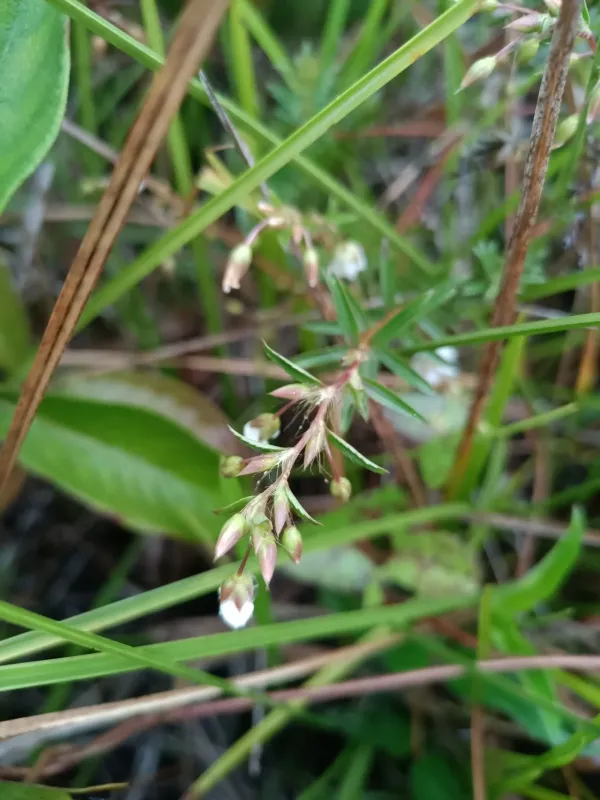
Description
Growing requirements
Sauvagesia rubiginosa is a perennial herbaceous plant belonging to the Ochnaceae family. It is native to the tropical forests of South America, thriving in environments characterized by high humidity, diffuse light, and nutrient-rich, moist soil conditions.
The plant requires consistently warm temperatures to maintain active growth. It is highly sensitive to thermal fluctuations and frost, making it suitable primarily for tropical climate zones or highly controlled greenhouse environments.
Soil quality is crucial for this species; it requires a well-aerated substrate with a slightly acidic pH. Incorporating organic matter such as peat or leaf mold helps replicate the natural forest floor habitat where the plant typically establishes itself.
Water management is a key aspect of cultivation. While the plant prefers constant moisture, it cannot tolerate waterlogging. Efficient drainage systems are necessary to prevent root suffocation and the onset of decay in the root zone.
In terms of agricultural utility, Sauvagesia rubiginosa is studied for its chemical profile and traditional medicinal applications. It remains a subject of botanical interest due to its specific ecological niche and unique adaptive traits.
Main diseases and pests
Root rot, driven by waterlogged soil and poor aeration, remains the primary threat to the crop. Preventive measures include using high-quality porous substrate mixes and strictly monitoring irrigation schedules to ensure the soil never becomes saturated.
Spider mites are common pests that thrive in the microclimate of greenhouses where humidity levels might drop. Their feeding activity causes yellowing and eventual necrosis of the foliage, necessitating early detection and treatment.
Mealybugs and aphids also pose a significant risk, particularly during the tender growth stages. These pests can be managed using biological control agents or targeted systemic treatments when infestations exceed economic thresholds.
Fungal leaf spots are frequently observed when air circulation is inadequate. Maintaining a consistent airflow through ventilation fans is critical to preventing moisture accumulation on leaf surfaces, which serves as a catalyst for fungal spore germination.
Overall plant health is best maintained through integrated pest management (IPM) practices, which combine sanitation, environment control, and careful monitoring to sustain productivity and minimize chemical interventions.