
Sauvagesia erecta
Sauvagesia erecta
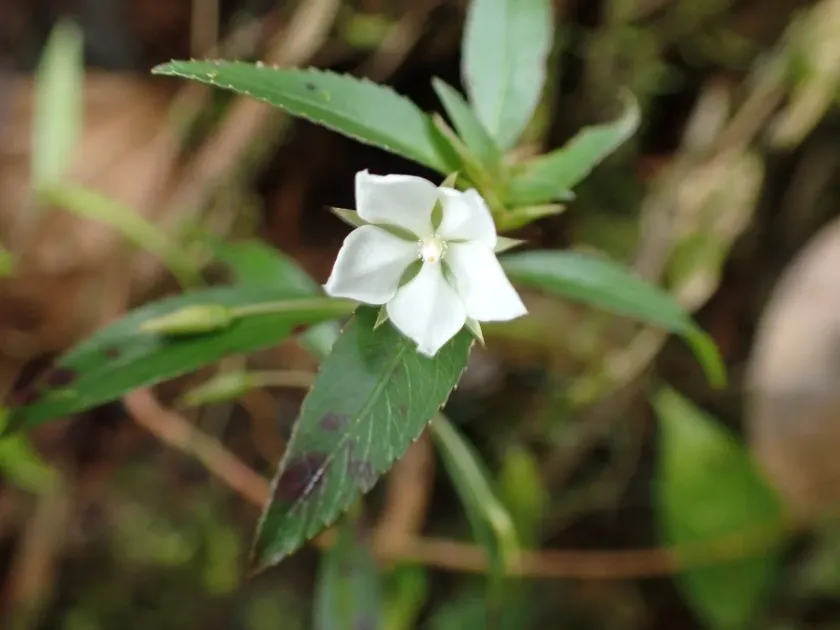
Description
Sowing dates
Sauvagesia erecta is a perennial herb belonging to the Ochnaceae family, recognized for its pharmacological properties. In agricultural practice, it is propagated through seeds sown in highly controlled environments.
The seeds require a fine, well-aerated substrate rich in organic matter to thrive. Surface sowing is recommended because the seeds need exposure to light to trigger successful germination.
Optimal germination occurs at temperatures between 25 and 28 degrees Celsius. Providing consistent moisture and high humidity levels during the germination phase is critical for achieving a high success rate.
Seedlings are typically raised in nursery conditions before being transplanted. This approach protects young plants from external climatic stressors and ensures a uniform initial growth stage.
Strategic spacing is essential during the final planting stage to allow sufficient airflow. Proper ventilation between individual plants helps prevent the accumulation of excess humidity that could damage the leaves.
Growing requirements
The plant thrives in partial shade, as direct intense sunlight can scorch its delicate foliage. A environment mimicking the understory of tropical forests is ideal for its development.
The soil must be slightly acidic and porous to allow for excellent drainage. Stagnant water is detrimental to the plant, so soil structure must facilitate quick moisture movement away from the roots.
Temperature stability is paramount, as Sauvagesia erecta does not tolerate cold drafts or temperatures falling below 15 degrees Celsius. Consistency ensures continuous growth throughout the season.
High relative humidity is necessary to maintain the health of the plant. In arid environments, supplemental misting or automated irrigation systems may be required to reach the target humidity levels.
Nutrient management focuses on slow-release organic fertilizers. Avoiding excessive synthetic nitrates is important to maintain the medicinal quality and natural chemical profile of the plant tissue.
Main diseases and pests
Root rot caused by overwatering is the most significant threat to this species. Monitoring moisture levels is vital, as the root system is highly susceptible to fungal pathogens in saturated soil.
Spider mites are common pests that thrive in dry air conditions. Regular foliage inspection and the implementation of appropriate humidity controls are the primary defense strategies against these pests.
Aphids can cause damage to tender new growth, leading to stunted plants. Targeted biological treatments are preferred to maintain the crop's suitability for medicinal use without chemical contamination.
Soil-borne nematodes pose a risk by impairing nutrient uptake. Crop rotation or soil solarization can be effective measures to manage nematode populations before planting the next cycle.
Poor circulation often leads to the development of foliar spots. Proper management of plant density and keeping the planting area free of debris will reduce the incidence of such diseases.