
Sauvagesia brownei
Sauvagesia brownei
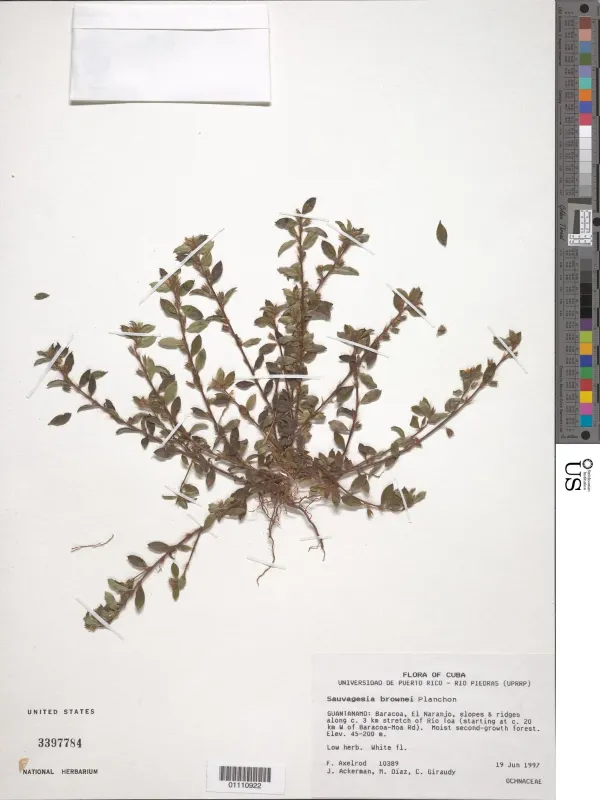
Description
Growing requirements
Sauvagesia brownei is a notable species within the Ochnaceae family. This tropical plant is primarily recognized for its unique botanical structure and specific ecological niche requirements.
Successful cultivation relies on maintaining high ambient temperatures and consistent humidity levels. The plant thrives in environments that mimic tropical forest undergrowth, necessitating partial shade during the peak of the day.
The soil profile for optimal growth should be well-draining, rich in organic matter, and slightly acidic. Proper drainage is essential to prevent waterlogging, which the plant is highly sensitive to during its vegetative growth phase.
Standard agronomic practices for this crop include light soil cultivation and moderate, regular irrigation. Farmers must ensure that moisture levels remain stable without saturating the root zone, as this is critical for preventing physiological stress.
In terms of economic utility, the plant is harvested for its potential pharmacological compounds. It remains a subject of research due to its traditional use in therapeutic applications in its native ranges.
Main diseases and pests
Fungal pathogens represent the most significant threat to the health of Sauvagesia brownei crops. Excessive moisture and lack of airflow are the primary catalysts for outbreaks of leaf blight and stem rot.
Insects such as mites and aphids are known to target the foliage, significantly reducing the biomass yield. These pests require integrated pest management strategies to keep their population densities below the economic threshold.
Root-knot nematodes can severely impact the vigor of the plant, leading to stunted development and reduced resilience. Implementing strict crop rotation schedules is essential to mitigate these subterranean threats.
Nutritional deficiencies often make the plants more susceptible to secondary infections. Regular monitoring of the soil nutrient composition is advised to keep the crop robust and resistant to environmental stressors.
Preventive care involves maintaining field hygiene by removing decaying plant matter. By focusing on site management, producers can successfully reduce the need for intensive chemical interventions.