
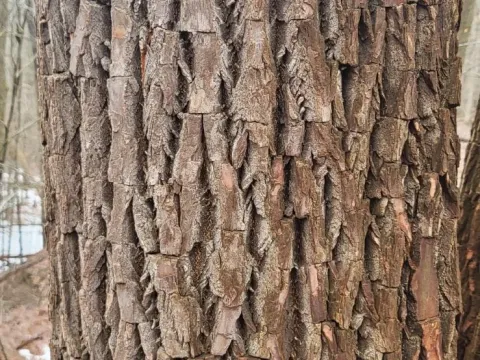
Sassafras
Sassafras
Sassafras (Sassafras) is a genus of deciduous trees belonging to the Lauraceae family. Native to North America and parts of East Asia, it is highly valued in both ecological restoration and specialty essential oil production.
What the section contains


Sassafras
The tree requires moist, well-drained, sandy loam soils that are slightly acidic. It thrives in locations with sufficient depth for its extensive root system and cannot tolerate waterlogged, heavy clay soils.
Climate adaptability is a key feature of the species, though it performs best in regions with mild winters and warm, humid summers. It thrives in full sun but can tolerate partial shade during its initial growth phases.
The standard agricultural practice involves selecting sites with good drainage and ensuring adequate spacing between trees to encourage crown development. Periodic mulching helps maintain soil moisture and regulates temperature fluctuations.
Beyond its landscape value, Sassafras is commercially harvested for the aromatic oils found in its bark and roots. Proper management ensures long-term sustainability of the stand while maximizing chemical yields.
The primary concern for Sassafras cultivation is laurel wilt, a devastating fungal disease caused by Raffaelea lauricola. This pathogen is transmitted by the redbay ambrosia beetle.
Insect pests, including leaf miners and caterpillars, often cause foliage damage. While rarely fatal on their own, heavy infestations weaken the tree and make it susceptible to environmental stress.
Preventative management is critical. This includes sanitizing equipment, removing infected plant material promptly, and monitoring beetle populations through pheromone traps.
Soil-borne diseases and root rot can occur if soil conditions remain consistently too wet. Improving site drainage is the most effective cultural method to prevent such root-zone pathogens.
Integrated Pest Management (IPM) protocols are highly recommended for large-scale operations to minimize the use of synthetic chemicals and maintain ecological balance within the stand.