
Sassafras
Sassafras albidum (Nutt.) Nees
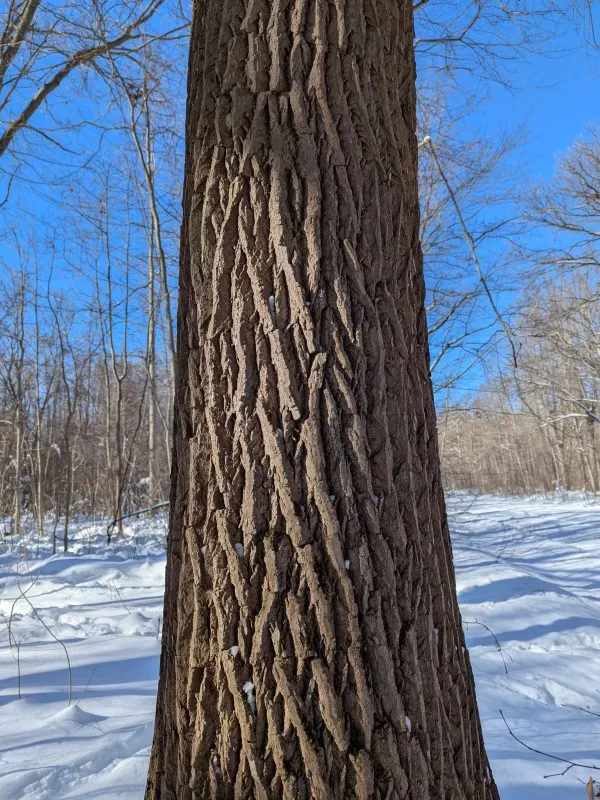
Description
Sowing dates
Sassafras albidum is propagated primarily through seeds or root suckers. Seeds require a cold stratification period of 60 to 90 days to break dormancy and ensure successful germination when temperatures rise in the spring.
When planting seeds, they should be sown in well-drained, fertile soil at a depth of about 2 centimeters. Maintaining consistent soil moisture during the first few weeks is essential for establishing strong root systems in young seedlings.
Vegetative propagation via root suckers is often preferred for plantation establishment. These suckers should be carefully excavated from the parent plant and replanted immediately to ensure rapid development and high survival rates.
Spring is the optimal time for transplanting young trees into their permanent locations. Because sassafras has a sensitive taproot system, keeping the root ball intact during the moving process is critical for long-term health.
Spacing between trees in a commercial setting should be at least 3–4 meters to provide sufficient room for crown development. Proper spacing ensures adequate air circulation and light penetration, which are vital for healthy plant growth.
Growing requirements
Sassafras is a deciduous tree belonging to the Lauraceae family, native to Eastern North America. It thrives in deep, well-drained, slightly acidic soils that are rich in organic matter and nutrients.
The tree prefers sunny to partially shaded locations. In its natural habitat, it is often found on the edges of forests, where it benefits from a mix of full light and moderate protection from harsh environmental elements.
Water requirements are moderate, but the soil must be well-drained. Sassafras is highly intolerant of waterlogged conditions, which lead to root rot and other physiological stressors that significantly weaken the tree.
Organic fertilizers or compost can be applied to improve soil fertility in plantation settings. However, it is important to avoid excessive nitrogen application in late summer to ensure that the wood hardens before the first autumn frosts.
The botanical unique features of the plant include its varied leaf shapes—entire, mitten-shaped, and three-lobed leaves often appear on the same branch. These leaves and the aromatic oils produced by the tree are its most valued biological assets.
Yield
The primary harvest components of sassafras are the root bark and the dried leaves. Productivity is significantly influenced by the tree age, the soil quality, and the overall density of the plantation.
Root bark harvesting is typically performed during the winter months when the tree is dormant and the concentration of essential oils and other active compounds is at its peak. This requires sustainable methods to ensure the tree's survival.
Leaves are collected in mid-summer once they have reached full development. After harvest, they are dried under controlled conditions to preserve their distinct fragrance and chemical properties for culinary or pharmaceutical use.
Sustainable plantation management involves rotating harvest cycles to allow trees sufficient time to recover. Over-harvesting roots can lead to tree death, so a balanced approach that promotes vegetative regrowth is essential for a perennial yield.
The production of essential oil through distillation is a key commercial activity. The yield and chemical composition of the oil depend on local environmental conditions and the harvesting techniques employed during the collection of the raw biomass.
Main diseases and pests
Sassafras is generally robust but can be susceptible to fungal diseases such as wilt, especially in humid and poorly ventilated environments. Proper site selection and spacing remain the best preventative measures against such infections.
Leaf-eating insects can occasionally become a nuisance, particularly on young trees. Regular monitoring during the growing season allows for early intervention, often using biological controls to mitigate potential damage to the foliage.
Root rot is the most serious threat to sassafras, usually caused by improper soil moisture management. Ensuring the plantation is established on land with excellent natural drainage is the most critical step in disease prevention.
Physical damage to the trunk or roots can serve as an entry point for pathogens. Careful handling of trees during maintenance and harvest is necessary to keep the specimens healthy and productive throughout their lifecycle.
Maintaining a healthy, stress-free environment for the trees is the best defense against pests and diseases. By fostering soil biodiversity and preventing waterlogging, growers can ensure the longevity and productivity of their sassafras trees.