
Sassafras tzumu
Sassafras tzumu (Hemsl.) Hemsl.
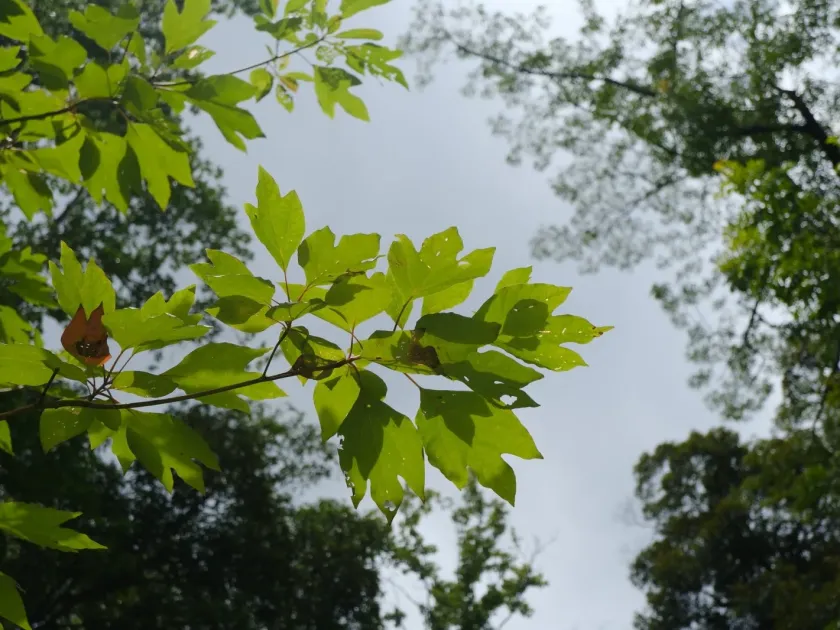
Description
Growing requirements
Sassafras tzumu is a deciduous tree belonging to the Lauraceae family, widely recognized for its ecological and economic importance. In its native habitat, it can grow into a massive tree with a distinct, straight bole and a dense, spreading canopy.
This species is native to central and eastern China. It thrives in regions with a subtropical climate, preferring moist, well-drained, and deep loamy soils. Its natural distribution is largely restricted to mountainous forest areas where humidity remains consistent.
Regarding climate requirements, Sassafras tzumu prefers moderate warmth and is sensitive to extreme frosts during its juvenile stage. Proper site selection involves choosing locations that offer protection from harsh winds and provide sufficient solar exposure for optimal photosynthesis.
Agricultural management requires careful attention to soil moisture levels. Although mature trees are somewhat drought-tolerant, seedlings must be irrigated regularly. Adding organic mulch around the base helps regulate soil temperature and retain necessary moisture throughout the growing season.
The tree is highly valued for its timber, which is durable and aromatic. Additionally, it is a significant source of essential oils, such as safrole, which are extracted from the root bark and used in various cosmetic and traditional medicinal applications.
Main diseases and pests
The primary threats to Sassafras tzumu are fungal pathogens that cause root rot, particularly in poorly drained soils. Implementing strict drainage management and using fungicides in cases of high humidity is essential for plantation health.
Insect pests, such as borers and various species of leaf-eating larvae, pose a significant risk to tree vitality. Regular monitoring and targeted chemical or biological pest control measures are recommended to protect the integrity of the foliage and wood.