
Lesser periwinkle
Vinca minor L.
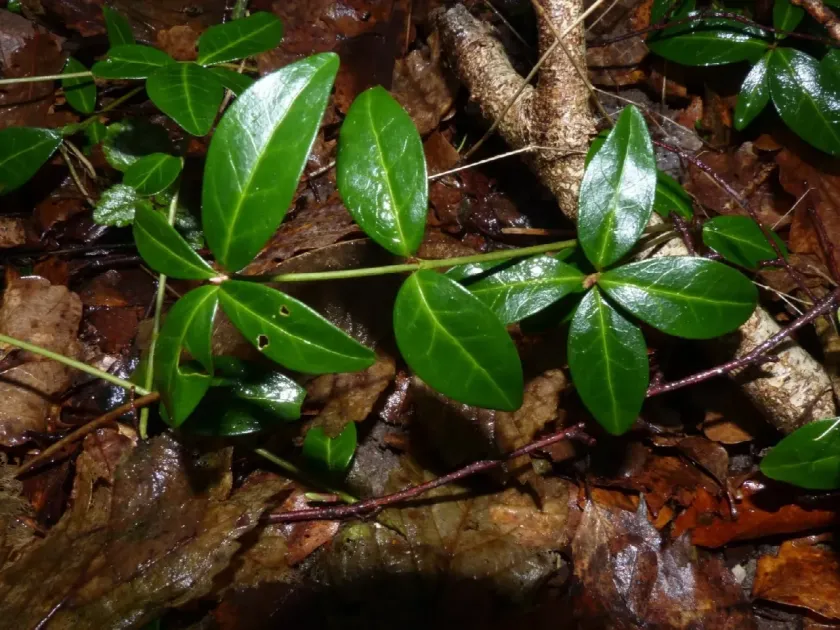
Description
Growing requirements
Lesser periwinkle (Vinca minor L.) is a perennial evergreen plant belonging to the Apocynaceae family. It is a creeping subshrub widely known for its ability to form dense carpets, making it a valuable ground cover in various agricultural and landscaping applications.
The species is native to central and southern Europe, thriving in deciduous forest understories. This evolutionary background makes it an ideal choice for shaded areas where other crops might struggle to survive or maintain adequate biomass.
Regarding soil requirements, Vinca minor prefers fertile, humus-rich, and well-drained soils. While it exhibits tolerance to a range of soil pH levels, it performs optimally in slightly acidic to neutral soil environments with consistent moisture levels.
This crop is recognized for its significant climatic resilience. It remains green throughout winter in temperate climates and can withstand relatively low temperatures, reducing the need for intensive winter protection measures during its establishment.
In terms of practical use, the plant is extensively harvested for pharmaceutical purposes due to its indole alkaloids, specifically vincamine, which are used to produce medicine for vascular and cognitive enhancement.
Main diseases and pests
The most common fungal threats for Vinca minor are various leaf spot diseases and rusts, which tend to proliferate in stagnant, humid environments where air circulation is restricted.
Root rot pathogens, such as Phytophthora species, present a severe threat if the soil structure becomes compacted or waterlogged, leading to the rapid decay of the root system and plant collapse.
Insect pests include aphids that settle on the tender young leaves, leading to stunted development and the potential transmission of viral diseases that can affect the entire crop population.
Scale insects can also infest the stems of the periwinkle, necessitating systematic monitoring and the application of targeted insecticides during the early stages of infestation to prevent widespread damage.
Effective management requires a combination of cultural practices, such as ensuring proper spacing to improve airflow, and integrated pest management (IPM) strategies to maintain the health and vigor of the plantings.