
Rotheca violacea
Rotheca violacea
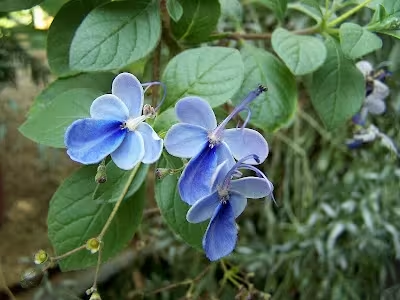
Description
Sowing dates
Propagating Rotheca violacea is most effectively achieved through stem cuttings during the active growth phase in spring. Select healthy, non-flowering shoots, approximately 10 centimeters long, for better root development and faster establishment.
Use a well-draining rooting medium, such as a mix of peat moss and perlite. Place the cuttings in a warm environment with indirect light to stimulate root formation, maintaining temperatures between 22 and 25 degrees Celsius.
Seeds can also be used for propagation, though this process is slower. Sow seeds in a moist, sandy compost during early spring, covering them lightly to ensure proper contact with the soil while allowing sufficient oxygen circulation.
Transplanting seedlings or rooted cuttings should be performed with extreme care. The root system of this species is delicate, and any mechanical damage can significantly retard growth or lead to plant shock.
Always choose pots with adequate drainage holes to ensure excess water can escape. Establishing a consistent watering routine right after planting is crucial for the development of a robust and healthy root structure.
Growing requirements
Rotheca violacea, a member of the Lamiaceae family, originates from tropical climates. This species is highly valued for its striking violet flowers and lush foliage, making it a popular choice for indoor plant enthusiasts.
Environmental requirements include a stable temperature range, ideally between 18 and 26 degrees Celsius. Avoid placing the plant in areas with cold drafts or near heating vents, as sudden temperature fluctuations are detrimental.
Light exposure must be bright and filtered. While the plant thrives in good light, direct midday sun is often too harsh, leading to scorched leaves. East or west-facing windows are generally the most suitable locations.
Watering should be balanced; keep the soil consistently moist but never waterlogged. During winter, reduce watering frequency to allow the plant to enter a necessary resting period, but do not let the soil dry out completely.
High humidity is beneficial for this tropical plant. Regular misting of the leaves or using a pebble tray with water can help maintain an ambient humidity level that mimics its natural habitat and keeps foliage vibrant.
Main diseases and pests
The plant is susceptible to common houseplant pests, particularly spider mites, which thrive in dry indoor environments. Frequent inspection of the undersides of leaves is recommended for early detection.
Mealybugs are another frequent threat, often appearing as white, cotton-like masses in leaf axils. Mechanical removal followed by insecticidal soap treatment is usually effective in controlling infestations before they spread.
Root rot is the most common disease associated with overwatering or poor soil drainage. If the leaves begin to droop or yellow unexpectedly, check the soil moisture and inspect the roots for signs of decay.
Fungal leaf spots can occur when the plant is kept in an area with stagnant air and high humidity. Improving ventilation and spacing out plants will significantly reduce the risk of such fungal issues.
- Spider mites
- Mealybugs
- Root rot
- Leaf spot diseases
- Whiteflies