
Rollinia sylvatica
Rollinia sylvatica
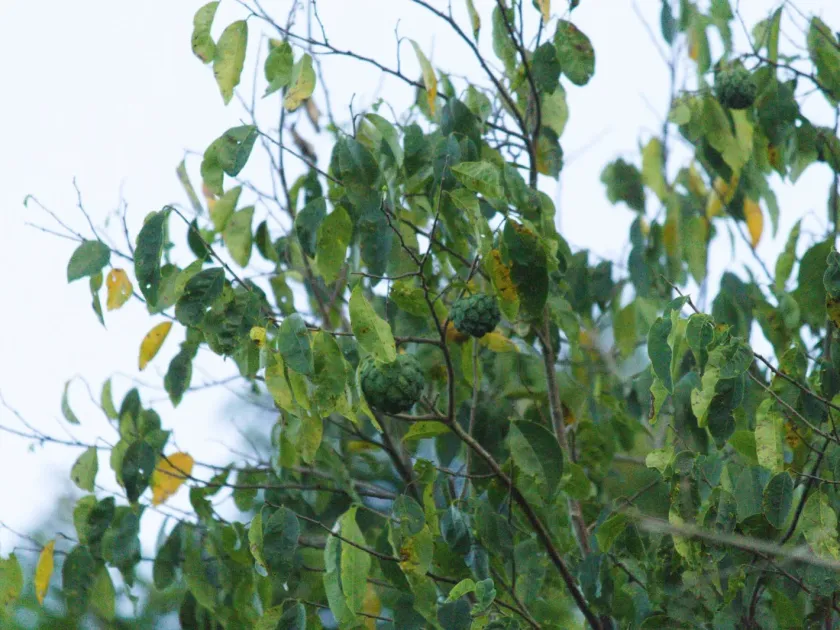
Description
Growing requirements
Rollinia sylvatica is a species of tropical fruit tree belonging to the Annonaceae family. This evergreen tree is native to the South American rainforests, primarily found in Brazil, where it thrives as part of the diverse tropical canopy ecosystem.
Botanically, the plant is characterized by its glossy, leather-like leaves and specific fruit morphology, which are typical for the genus Rollinia. The tree can reach significant height in its natural habitat, developing a dense canopy that provides natural shade to its surroundings.
The cultivation of this species requires a warm, humid tropical climate with minimal seasonal temperature fluctuations. It is extremely sensitive to cold and does not tolerate frost, making it suitable only for regions with consistently warm year-round conditions.
Soil quality is a critical factor for success; the tree requires well-drained, nutrient-rich soil that is high in organic matter. Sandy or loamy soils are preferred, provided that they do not retain excessive water, which could trigger root rot and other physiological disorders.
Agricultural management involves routine pruning to maintain the tree's health and enhance light penetration into the inner canopy. Regular applications of organic mulch help maintain soil moisture levels and suppress weed growth, which is essential for young and established trees alike.
Main diseases and pests
The tree is susceptible to various tropical pests, such as fruit flies and mealybugs, which can damage both leaves and ripening fruits. Integrated pest management strategies, including the use of sticky traps and biological control, are recommended to maintain healthy yields.
Fungal diseases related to humidity and poor drainage are also significant concerns in tropical orchards. Maintaining good air circulation through proper spacing and canopy management is essential to prevent the spread of fungal pathogens that affect the health of the tree.