
Biriba
Rollinia mucosa
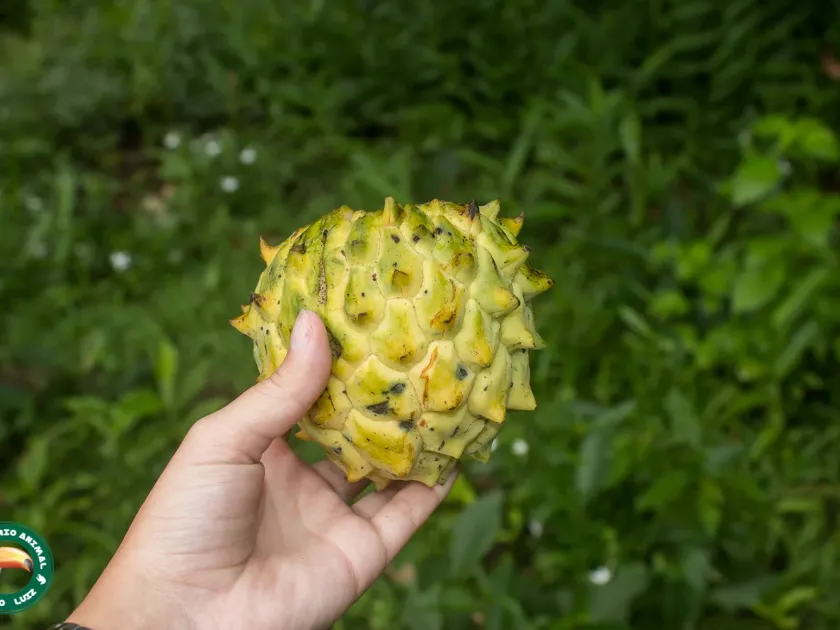
Description
Sowing dates
Biriba (Rollinia mucosa) is a tropical fruit tree belonging to the Annonaceae family. Propagation is primarily achieved through seeds, which should be planted immediately after extraction from the fruit to ensure high germination rates.
The seeds require a warm environment with temperatures ranging from 25 to 30 degrees Celsius to sprout effectively. They are typically sown in a light, well-draining potting medium to prevent early rot.
In commercial orchards, grafting onto related rootstocks like Annona glabra is a common practice. This technique accelerates the time to maturity and provides better adaptation to specific soil types.
Young saplings should be transplanted to their final location once they reach 40–50 cm in height and have a sturdy, well-established root system.
Adequate spacing is crucial for healthy development; a minimum distance of 6 to 8 meters between trees is recommended to facilitate proper air circulation and sunlight exposure.
Growing requirements
Biriba is strictly a tropical species and is highly sensitive to cold temperatures. It thrives in regions with consistent warmth and high humidity, avoiding any exposure to frost.
The tree prefers deep, fertile, and well-draining soils. While it appreciates moisture, it cannot tolerate waterlogged conditions, which lead to significant root health issues.
A sunny, sheltered location is ideal. The tree should be protected from strong winds that can damage the branches and the large, delicate fruits during the development stage.
Regular fertilization is necessary to support vigorous growth. Using balanced fertilizers rich in potassium and micronutrients during the growing season enhances fruit size and sugar content.
Mulching the root area helps maintain soil moisture stability and suppresses weed growth, contributing to a healthier environment for the tree's superficial root system.
Yield
The fruit of the Biriba is highly regarded for its custard-like, creamy texture and unique flavor profile. It is a perishable fruit that is best enjoyed fresh.
A mature, well-maintained tree can produce between 20 and 50 kilograms of fruit per season, depending on the vigor of the tree and pollination success.
Harvesting should be performed carefully by hand when the skin begins to turn from green to a yellowish hue. The fruits are quite soft when ripe and prone to bruising.
Post-harvest, the fruits ripen rapidly at room temperature. Because of their soft nature, they are rarely shipped long distances and are usually marketed locally.
Beyond fresh consumption, the pulp is utilized in the production of ice cream, sherbets, smoothies, and other culinary applications in tropical regions.
Main diseases and pests
The primary pests affecting Biriba include scale insects and mealybugs, which congregate on stems and young leaves, potentially weakening the overall structure of the tree.
Fungal diseases, including anthracnose, can be a major issue, especially in environments with high rainfall and poor air circulation within the tree canopy.
Root rot caused by stagnant water or poor drainage is a lethal condition that requires careful soil management and preventive measures to avoid.
Fruit flies pose a constant threat to ripening crops. Protecting fruits with mesh bags is a highly effective, non-chemical method used by small-scale growers.
Regular canopy pruning is essential to improve airflow, which significantly reduces the risk of fungal outbreaks and allows for easier monitoring and pest control.