
Rollinia salicifolia
Rollinia salicifolia
Description
Growing requirements
Rollinia salicifolia is an evergreen tree belonging to the Annonaceae family. This species is native to the tropical regions of South America, particularly Brazil, where it thrives in moist forest habitats.
The crop prefers sunny locations sheltered from strong, drying winds. The ideal temperature range for its development is between +22 and +30 degrees Celsius; the tree is highly sensitive to frost and cold damage.
Successful cultivation requires deep, fertile, and well-drained soils. The plant is prone to root rot in waterlogged conditions, making effective soil drainage essential in heavy or clay-rich ground.
High relative humidity is necessary throughout the year for healthy growth. In areas with distinct dry seasons, irrigation systems must be implemented to maintain moisture levels and prevent foliage drop.
While the tree can reach heights of 10 to 15 meters in its natural habitat, pruning is frequently used in orchard settings to keep the canopy compact and manageable for easier maintenance and harvesting.
Yield
The fruits of Rollinia salicifolia are prized for their complex flavor, often described as a blend of banana, lemon, and pineapple. The flesh is soft and creamy, making it a delicious exotic delicacy when eaten fresh.
Yield capacity is influenced by the tree's age, sun exposure, and nutrient availability. Under optimal conditions, trees typically begin producing their first harvest within three to five years after planting.
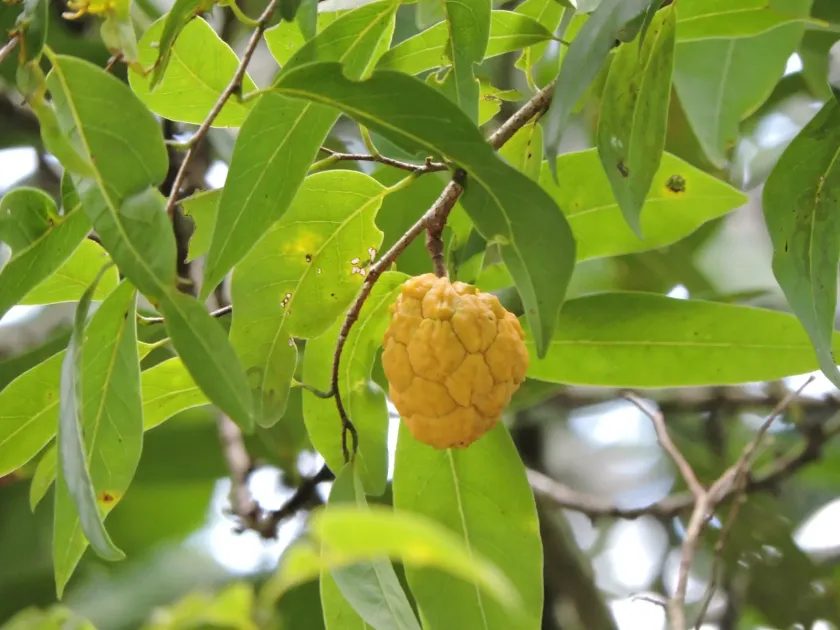
Fruits are characterized by their unique, bumpy skin with soft protuberances that become less prominent as the fruit ripens. Careful observation is required, as the fruits have a very short shelf life once fully mature.
The fruit is used in various culinary applications, including desserts, sorbets, and fruit-based beverages. It is also valued for its nutritional profile, containing significant vitamins and antioxidants.
Commercial production requires precise logistics, as the short window between peak ripeness and spoilage limits the ability to transport fruits over long distances without specialized storage.
Main diseases and pests
Mealybugs and scale insects are the primary pests affecting Rollinia salicifolia. These insects feed on the plant's sap, which can significantly weaken the tree if infestations are left unchecked.
Fungal diseases, such as anthracnose, may target foliage and ripening fruits during periods of prolonged rainfall. Maintaining good air circulation through proper canopy management is the best preventive measure.
Root rot is a significant risk caused by poor drainage or overwatering. Using well-aerated substrates and following a strict watering schedule are critical steps for maintaining a healthy root system.
Fruit flies can cause damage to maturing fruits, rendering them unsuitable for sale. Growers often use individual fruit bags or nets to protect the produce during the final stages of development.
Regular field scouting is essential for identifying pest and disease outbreaks early. Integrated pest management strategies are recommended to keep the fruit high-quality and safe for consumption.