
Rinorea ilicifolia
Rinorea ilicifolia
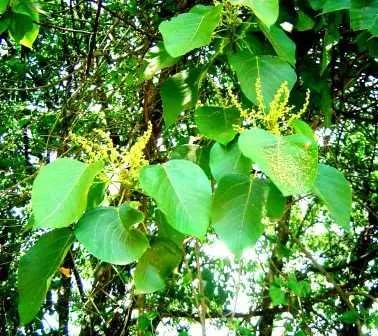
Description
Growing requirements
Rinorea ilicifolia is a perennial evergreen shrub belonging to the Violaceae family. It is native to the tropical forests of West and Central Africa, where it thrives in the understory of dense rainforest ecosystems.
The plant requires high humidity and consistent, warm temperatures throughout the year. It performs best in partial shade, mimicking its natural habitat where it is protected from intense, direct solar radiation.
Soil requirements for optimal growth include well-draining, nutrient-rich, and slightly acidic forest soils. Proper aeration is essential, as the plant is highly sensitive to waterlogged conditions that can cause root hypoxia.
Botanically, it is characterized by its coriaceous, serrated leaves that resemble holly leaves, which is the origin of its specific epithet. The shrub usually reaches a modest height, making it suitable for specialized forest farming.
In terms of agricultural utility, Rinorea ilicifolia is recognized for its traditional medicinal properties. Various extracts from the plant are utilized in local practices for their antimicrobial and physiological effects.
Main diseases and pests
The primary threats to the health of Rinorea ilicifolia include fungal infections that thrive in high-humidity environments. Leaf spot diseases are common, causing significant photosynthetic losses if left untreated.
Pests, such as aphids and spider mites, are frequent visitors that target the tender terminal growth of the shrub. Heavy infestations can lead to stunted growth and leaf deformation, reducing the quality of the plant material.
Nematodes present a hidden danger in tropical soils, potentially compromising the root system and limiting nutrient uptake. Monitoring the rhizosphere is critical for preventing widespread decline in crop yield.
Climatic stressors, such as irregular precipitation, can disrupt the plant's metabolic processes. Maintaining a stable environment is necessary to prevent the plant from becoming susceptible to secondary infections.
Integrated pest management, focusing on environmental control and the use of botanical insecticides, remains the most recommended strategy for large-scale production of this species.