
Rinorea heteroclita
Rinorea heteroclita
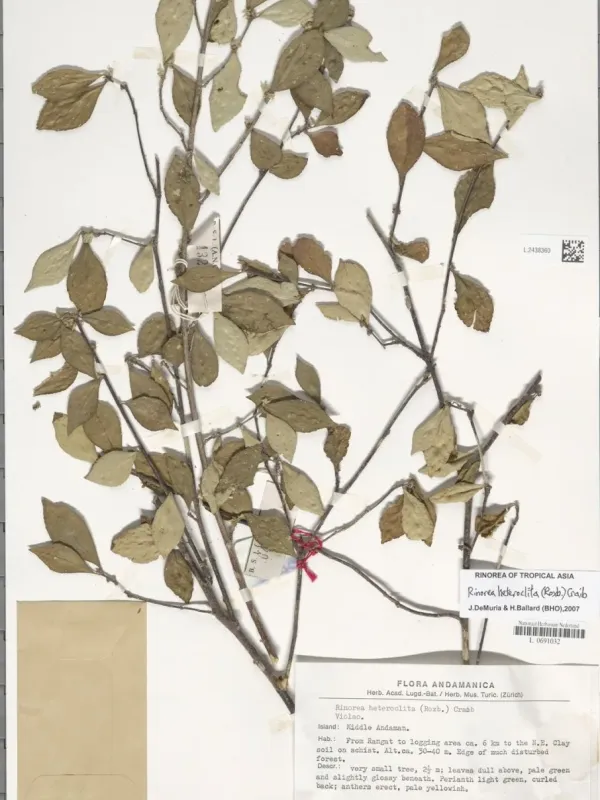
Description
Growing requirements
Rinorea heteroclita is a member of the Violaceae family, primarily native to tropical ecosystems. This evergreen plant requires specific environmental conditions to reach its full biological potential.
The plant thrives in regions with consistently warm temperatures, ideally between 22 and 28 degrees Celsius. Stability in thermal conditions is essential for preventing physiological stress.
The preferred growing medium must be nutrient-rich, well-aerated, and possess excellent drainage capabilities. Preventing waterlogging is critical to maintaining a healthy root system for this species.
Optimal light exposure involves bright, filtered light or partial shade. Direct, intense sunlight can damage the leaves, while deep shade significantly reduces the growth rate and overall vigor.
While not a primary commercial crop, its unique botanical properties make it an interesting subject for research and specialized cultivation, requiring careful moisture management and stable environmental factors.
Main diseases and pests
The most significant threats to Rinorea heteroclita involve fungal diseases, particularly those affecting the roots, which thrive in waterlogged or poorly ventilated soil conditions.
Tropical pests, including spider mites and various aphids, can infest the foliage, especially in greenhouse environments where airflow might be limited during certain seasons.
Nutrient deficiencies often manifest as leaf chlorosis, requiring precise fertilizer management to ensure the plant receives all necessary micronutrients for healthy metabolic processes.
Proactive management of the growing environment, including regular sanitization of tools and soil health checks, is vital to prevent the spread of soil-borne pathogens.
Monitoring for signs of infestation or decay on a weekly basis allows for quick intervention, which is necessary to maintain the long-term health of this sensitive tropical species.