
Rindera tetraspis
Rindera tetraspis
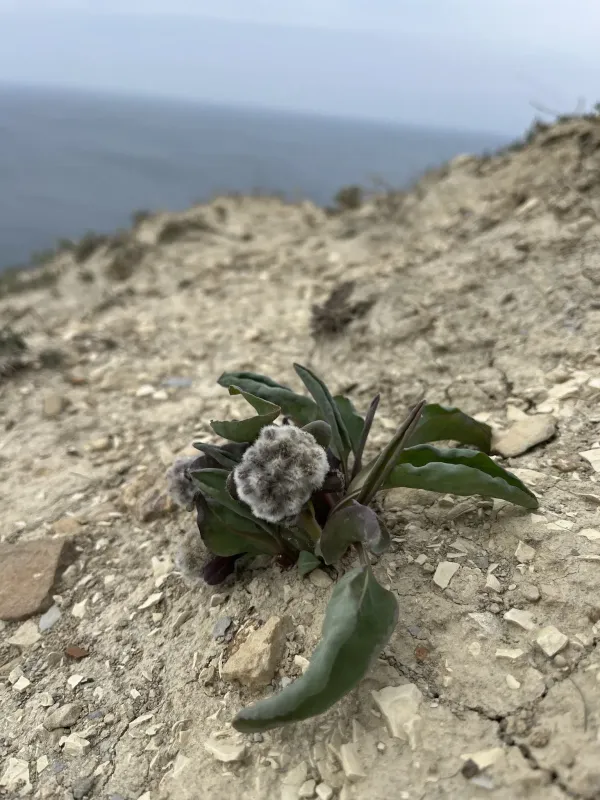
Description
Sowing dates
Sowing Rindera tetraspis is best performed in late autumn or early spring to utilize natural soil moisture. Given the hard seed coat, stratification or pre-sowing treatment is highly recommended to improve overall germination rates.
When sowing in spring, place the seeds at a depth of 1.5 to 2 centimeters. Maintaining firm contact with moist soil is essential to ensure uniform development of the seedlings during the critical initial growth phase.
Recommended row spacing is 40 to 50 centimeters. This layout provides sufficient aeration and maximizes sunlight exposure, which is vital for the health of this heliophilic plant species.
As germination can be staggered, it is advisable to sow slightly thicker than the intended final plant density, allowing for thinning once the strongest seedlings have established themselves.
Weed control is of particular importance in the early stages of growth, as the young rosettes develop slowly and can easily be outcompeted by more aggressive neighboring weeds.
Growing requirements
Rindera tetraspis belongs to the Boraginaceae family and is recognized for its significant drought tolerance. It is well-adapted to steppe environments where water scarcity is the primary limiting factor for most crops.
This species thrives in light, well-drained sandy or loamy soils. Excellent drainage is non-negotiable, as waterlogging is the most common cause of root rot and subsequent plant mortality in this genus.
The plant requires full sun to achieve optimal development. Any shade, even if partial, can lead to spindly growth and a significant reduction in the quantity and quality of the biomass produced.
While tolerant of low-fertility soils, the species responds positively to light applications of potash fertilizers. This promotes stronger root development and better overall resilience to environmental stressors.
The ideal temperature for active growth ranges between 20 and 28 degrees Celsius. The plant is remarkably resilient to the wide temperature fluctuations characteristic of arid climate zones.
Main diseases and pests
Fungal diseases, triggered by excess moisture and humidity, represent the primary threat to this crop. Root rot pathogens can cause rapid collapse of the stands if the site does not drain well.
Insect pests such as weevils and aphids may target the leaves and buds during the spring growth flush. Vigilant monitoring is required to detect infestations before they reach economic damage thresholds.
Powdery mildew can occur if air circulation is inadequate, especially in dense plantings. Proper spacing and the removal of basal senescent leaves can effectively mitigate the risk of fungal spread.
Soil-dwelling larvae, particularly click beetle larvae (wireworms), pose a threat to the developing taproot. Site selection should avoid fields known for high populations of these pests.
Chemical control measures should be applied judiciously, ensuring that any treatment adheres to safety standards for plants intended for specialized industrial or medicinal applications.