
Rindera lanata
Rindera lanata
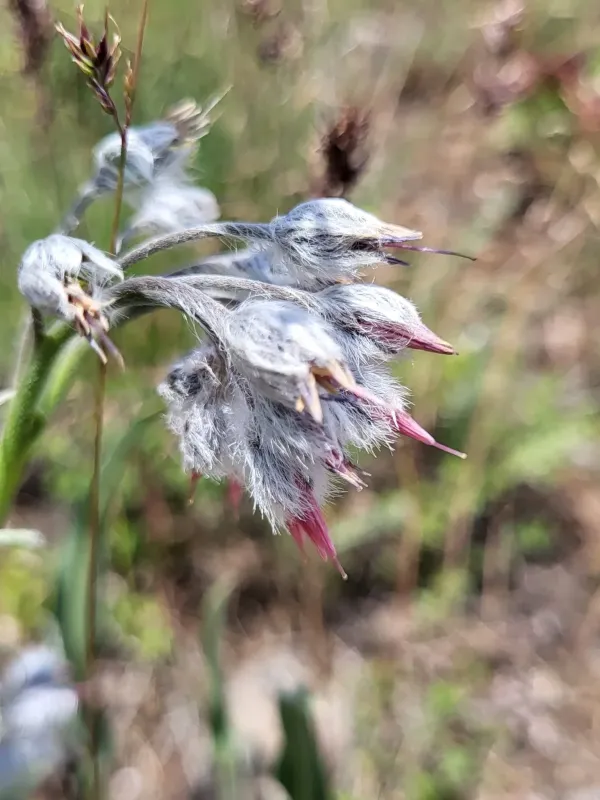
Description
Sowing dates
Rindera lanata is a perennial herbaceous plant belonging to the Boraginaceae family. It is recognized for its adaptation to arid environments and distinctive appearance.
Cultivation usually begins with the seeds, which benefit from a period of cold stratification to overcome dormancy before being sown in a well-drained, sunny location.
Seeds should be planted at a shallow depth to ensure sufficient light exposure, as this is often a critical factor for the successful germination of species originating from steppe regions.
Maintaining a clear spacing between individual plants is necessary to prevent overcrowding, as adult Rindera lanata specimens form dense rosettes that require adequate air circulation.
Early-stage management involves protecting the seedlings from weed competition, which can quickly suppress the growth of the young plant during its first season.
Growing requirements
As a xerophytic plant, Rindera lanata thrives in locations with high light intensity and requires soils that possess excellent drainage properties to prevent root damage.
The plant is highly suited to rocky, gravelly, or sandy soils where the water table is deep, minimizing the risk of waterlogging which the plant is highly susceptible to.
Climatic requirements focus on warmth during the growing season and relatively dry winters; the species is well-adapted to high temperature fluctuations typical of continental climates.
Soil nutrient requirements are relatively low; the species does not perform well in highly enriched, heavy, or water-retentive clay soils which lead to root rot.
The characteristic dense hairs on the leaves serve as a primary defense mechanism, reducing transpiration and protecting the plant from the drying effects of extreme wind and heat.
Main diseases and pests
The primary threats to Rindera lanata include various fungal pathogens that thrive in wet conditions, particularly if the soil remains waterlogged for extended periods.
Insect pests such as aphids and certain types of beetles can occasionally cause damage to the floral structures, particularly in environments with high humidity.
- Root rot caused by poor soil drainage
- Powdery mildew under high humidity conditions
- Infestations of aphids on young vegetative shoots
- Slugs and snails during excessively wet spring weather
- Fungal spots on leaves caused by lack of airflow
Effective management strategies include the use of inorganic mulches, such as gravel or grit, which keep the plant's crown dry and discourage fungal development near the base.
In cases of severe pest outbreaks, mechanical removal or targeted biological treatments are preferred over broad-spectrum pesticides to maintain the plant's natural health.