
Rindera graeca
Rindera graeca
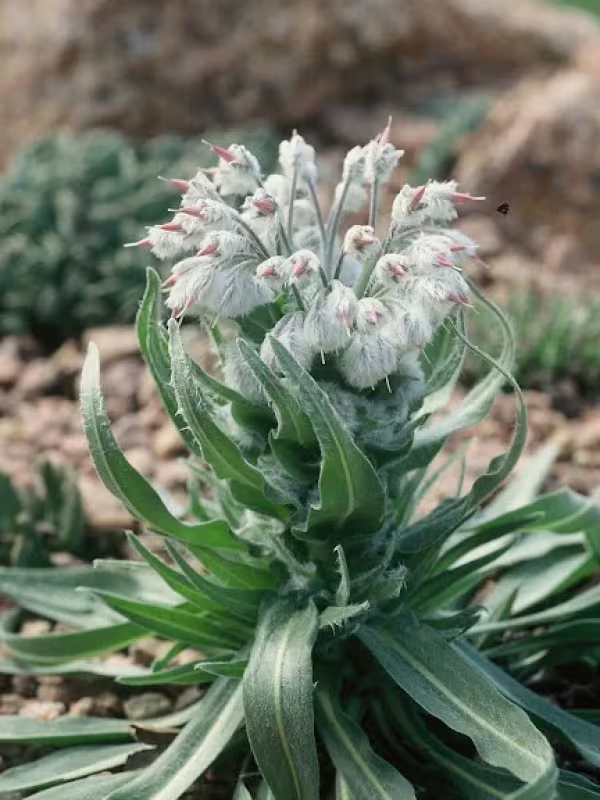
Description
Sowing dates
Sowing Rindera graeca is best performed in late autumn to mimic natural cycles, allowing the seeds to undergo necessary cold stratification. This method significantly increases the germination rate compared to spring sowing without pretreatment.
The seeds should be covered with a thin layer of fine soil, approximately 1 centimeter deep, to ensure they remain moist while receiving enough light to trigger the germination process. Compacting the soil surface lightly helps in retaining moisture during the critical early stages.
If indoor sowing is preferred, start the seeds in early spring using a well-draining seed-starting mix. Keep the trays in a cool, bright location with a temperature consistently around 15–18 degrees Celsius for the best results.
Germination can be irregular, which is common for this species. Be patient and maintain consistent soil moisture until sprouts appear, ensuring the container does not dry out completely or become waterlogged.
Once seedlings have developed their second set of true leaves, they should be carefully thinned or transplanted to individual pots. Allow enough spacing between plants to facilitate proper root development before planting them out in their permanent location.
Growing requirements
Rindera graeca, belonging to the Boraginaceae family, is a distinct plant adapted to sun-drenched and well-drained environments. It thrives in locations with full sunlight, making it an excellent choice for rock gardens and dry borders.
The soil requirements are specific: the plant demands excellent drainage to prevent root rot. It performs best in gritty, lime-rich, or sandy soil structures that mimic its native European mountain habitats where water drains quickly.
This plant is highly drought-tolerant, acting as a true xerophyte. Supplemental irrigation should be sparse and only provided during prolonged dry spells, as excessive moisture often leads to root decay and decreased plant vigor.
Fertilization should be kept to a minimum, as Rindera graeca is adapted to low-nutrient environments. A light application of potassium-based fertilizer in the early spring is usually sufficient to support its growth cycle.
Winter care involves ensuring the plant is not sitting in stagnant water during thaw cycles. While the plant is cold-hardy, mulching with dry gravel around the base can help protect the crown from excess moisture and prevent frost heaving.
Main diseases and pests
Root rot is the most common threat, primarily caused by poor soil drainage or excessive watering. Ensuring that the planting site has deep gravel or sand drainage layers is essential to mitigate this risk throughout the growing season.
Spider mites are common pests that may affect the plant during hot, dry weather. These pests suck nutrients from the leaves, causing stippling; regular inspection and the use of appropriate miticides can keep populations under control.
Leaf-eating larvae, such as those of various moths, can occasionally damage the foliage. Hand-picking the pests or applying biological control agents like Bacillus thuringiensis is recommended to keep the plant in good health without using harsh chemicals.
Powdery mildew might appear during periods of high humidity and poor air circulation. Proper spacing of plants and removing overcrowded foliage are the best preventative measures to maintain good airflow and reduce the risk of infection.
Occasionally, fungal leaf spots may occur in damp, rainy seasons. If noticed, the affected leaves should be removed and destroyed to prevent the spread of spores, and the plant should be treated with a systemic fungicide if necessary.