
Rhipsalidopsis hybrids
Rhipsalidopsis hybrids
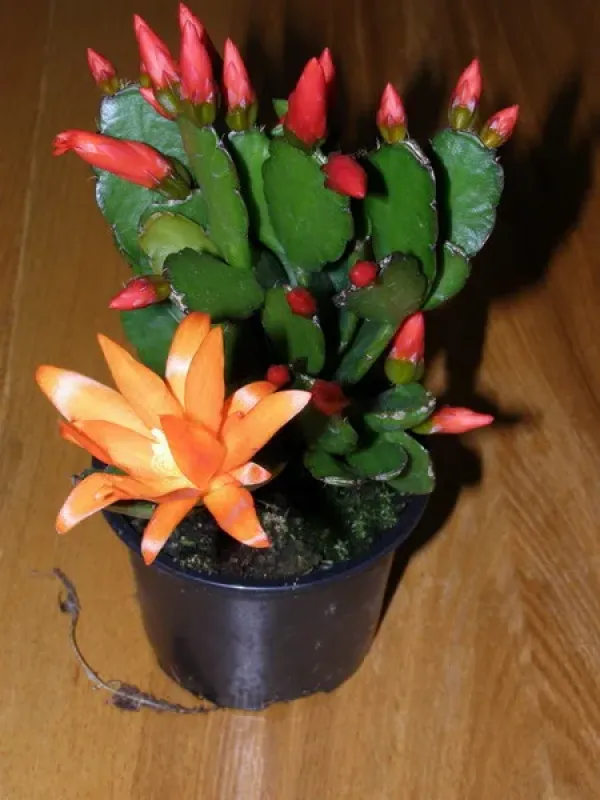
Description
Growing requirements
Rhipsalidopsis hybrids, commonly known as Easter cacti, belong to the Cactaceae family. Unlike their desert counterparts, these plants are epiphytes native to the humid forests of Brazil. They thrive in dappled light conditions, making them ideal for indoor environments where protection from harsh, direct sunlight is essential for their health.
The optimal substrate for these plants must be porous, well-draining, and slightly acidic. A mix of peat moss, pine bark, and perlite provides the necessary aeration for the roots. It is crucial to ensure that the potting container has adequate drainage holes to prevent waterlogging, which is lethal to the root system.
Temperature management is the most critical aspect of the plant's life cycle. During the growing season, they prefer temperatures between +18°C and +22°C. However, a cooling period of approximately 6–8 weeks at +12°C to +15°C is required during winter to initiate flower bud formation for the spring display.
Irrigation practices should follow the plant's seasonal needs. During active growth, the soil should be kept consistently moist but never soggy. As the plant enters dormancy, water intake should be reduced significantly, allowing the upper third of the substrate to dry out between each watering session.
Humidity is paramount for the vitality of Rhipsalidopsis. As tropical epiphytes, they respond well to regular misting and placement on humidity trays filled with pebbles and water. This mimics their natural forest habitat and prevents the segment tips from shriveling during the dry winter months.
Main diseases and pests
Spider mites are common pests that thrive in dry, stagnant air. Infestations are typically identified by the presence of fine webbing between the stem segments and the appearance of small yellow spots on the plant's surface, indicating sap extraction.
Root rot, triggered by overwatering and lack of soil aeration, is the leading cause of plant loss. Symptoms include the base of the stems turning mushy and dark brown. If caught early, the plant can be salvaged by trimming away dead roots and repotting in fresh, dry medium.
Mealybugs often congregate in the crevices between segments, appearing as white, cotton-like masses. They weaken the plant by feeding on its sap and can be removed using an isopropyl alcohol-dipped swab or managed through the application of horticultural oils or systemic insecticides.
Fungal infections, such as those caused by Botrytis, can manifest as gray mold on stems in high-humidity, low-airflow environments. Improved ventilation and the removal of affected segments are necessary to prevent the disease from spreading to healthy parts of the plant.
Scale insects can attach themselves to the stems, creating hardened, shell-like bumps. These pests are resilient, and their removal requires either manual scraping or the use of systemic insecticides that interfere with their life cycle, ensuring the plant can recover its vigor.