
Rescue grass
Bromus catharticus Vahl
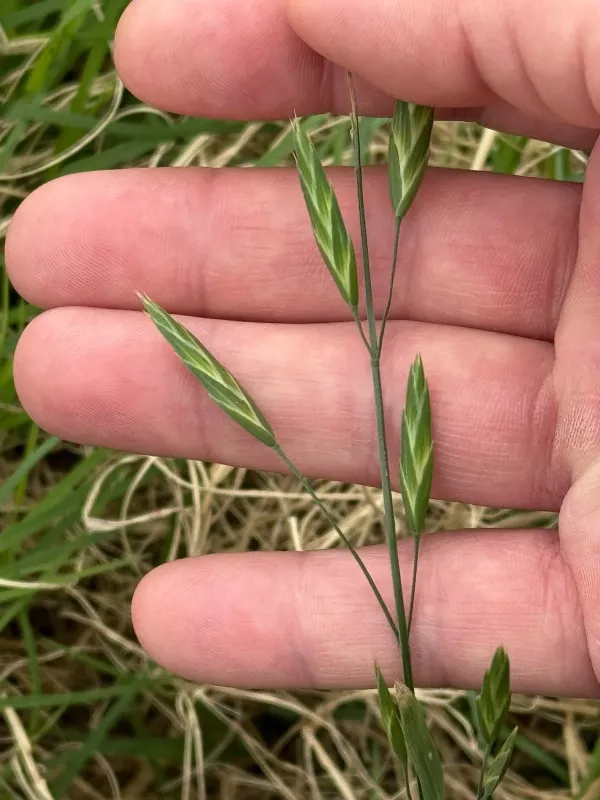
Description
Sowing dates
Rescue grass is a highly productive cool-season grass that is typically sown in early autumn or early spring to optimize root establishment before the onset of extreme weather.
For successful stand establishment, seeds should be sown at a depth of 1 to 2 centimeters into a firm, well-prepared, and weed-free seedbed.
The seeding rate varies depending on the purpose of the crop, usually ranging from 20 to 30 kilograms per hectare for dense pasture production.
Good soil contact is essential for germination, so rolling the soil after sowing significantly improves the uniformity and speed of emergence.
It is often grown in mixtures with legumes to improve the overall protein content and soil nitrogen levels, creating a balanced and nutritious forage system.
Growing requirements
Bromus catharticus, belonging to the Poaceae family, prefers well-drained, fertile soils with a neutral pH, though it can tolerate a variety of soil types.
The grass is known for its rapid growth in cool, moist conditions, making it an excellent choice for winter and spring grazing in temperate climates.
While it is moderately drought-tolerant, it requires consistent moisture throughout the growing season to reach its full biomass potential.
It is sensitive to waterlogged soils and high levels of soil acidity, which can limit root development and overall plant vigor significantly.
The species is highly responsive to nitrogen fertilization, which is recommended to promote lush vegetative growth and improve the feed quality of the hay.
Yield
Under optimal management, this grass can provide high forage yields, often producing multiple cuts per season in regions with mild winters.
Hay production can reach impressive levels of 8 to 12 tons of dry matter per hectare, depending on soil fertility and irrigation availability.
Grazing management should focus on allowing the grass to reach the early heading stage before introducing livestock to maximize regrowth potential.
The grass remains palatable and nutritious throughout its active growing phase, making it a preferred option for high-performance dairy and beef cattle.
By rotating grazing paddocks and preventing overgrazing, the productive life of the stand can be extended for several years of sustainable use.
Main diseases and pests
Common fungal diseases, such as leaf rust and powdery mildew, can affect the crop, particularly in dense stands with poor airflow and high humidity.
Head smut is a potential concern, which can reduce seed viability and overall quality, requiring the use of certified, clean seed for new plantings.
Pests including aphids and various grass-feeding beetles may cause damage to young seedlings, potentially requiring targeted pest control interventions.
Implementing integrated pest management strategies, such as crop rotation and timely mowing, helps keep disease and pest populations at manageable levels.
Monitoring the fields regularly during the spring growth flush is crucial to identifying early symptoms of infestation and preventing widespread crop loss.
Harvesting
The best time to harvest for high-quality hay is when the grass is in the late boot to early heading stage, ensuring an optimal balance of protein and fiber.
For efficient haymaking, it is important to cut when weather forecasts predict several days of dry conditions to facilitate curing and baling at correct moisture levels.
A cutting height of at least 7 centimeters is advised to protect the plant's crown and facilitate faster regrowth for subsequent cuts during the season.
If utilizing the crop for silage, harvesting should be timed to match the wilting process to ensure the desired fermentation in the storage environment.
Seed harvest requires careful timing to avoid shattering, typically occurring when the seed heads turn a golden brown and grain moisture drops sufficiently.