
Ravenea sambiranensis
Ravenea sambiranensis Jum. & H. Perrier
Description
Growing requirements
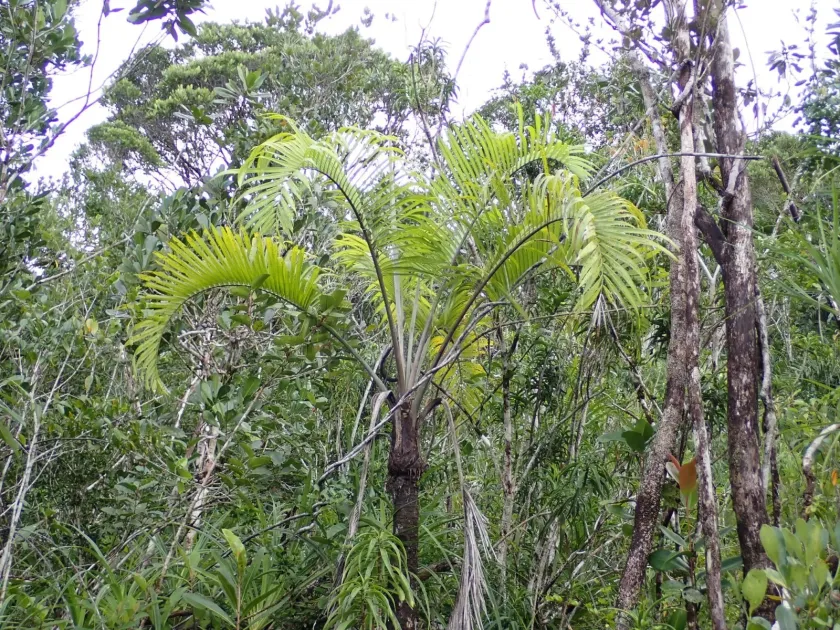
Ravenea sambiranensis is a distinct species of palm belonging to the Arecaceae family. It is native to the Sambirano region of northwestern Madagascar, where it thrives in humid forest habitats and along riverbanks.
This palm species requires a warm, tropical environment with high atmospheric humidity. In terms of temperature, it should be protected from any frost or significant cold stress, as the species is adapted to consistent thermal conditions throughout the year.
The cultivation of this plant necessitates well-draining, nutrient-rich soil. It is crucial to maintain a balance of moisture in the root zone without causing saturation, which is essential to prevent physiological issues and root suffocation.
In practice, it prefers partial shade or bright, indirect light. Exposure to intense, direct noon sun can damage the foliage, therefore, shading techniques are recommended when cultivating the species in open nurseries or greenhouses.
Maintenance involves consistent watering schedules and the use of balanced, slow-release fertilizers formulated for palms, ensuring the availability of essential trace elements for healthy vegetative growth.
Main diseases and pests
The most common biological threats include fungal root rot, which typically stems from poor drainage or overwatering practices in confined growing conditions.
Pest infestations such as spider mites, scale insects, and mealybugs are major concerns, often exacerbated by low humidity levels and inadequate air circulation.
Leaf spot diseases can also occur if humidity remains high while temperatures fluctuate, necessitating the use of targeted fungicides if symptoms appear.
Nutritional deficiencies, particularly of magnesium and potassium, can manifest as chlorosis on the leaves, indicating the need for targeted soil amendments.
Effective management strategies should focus on integrated pest control, ensuring optimal hygiene in the growing environment to prevent the spread of pathogens.