
Majesty palm
Ravenea rivularis Jum. & H. Perrier
Description
Growing requirements
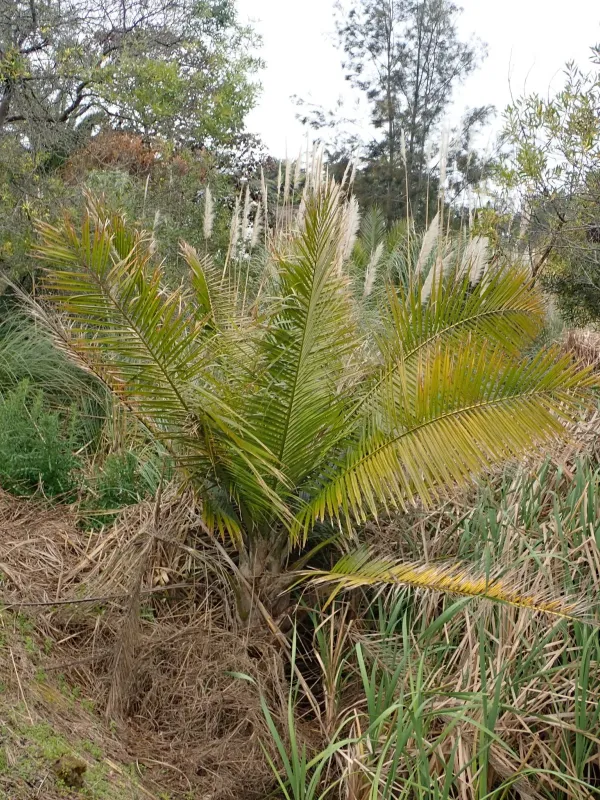
The Majesty palm, scientifically known as Ravenea rivularis, is a member of the Arecaceae family. Native to the riverbanks of Madagascar, this species is highly valued for its elegant, arching fronds and thick, upright trunk which provides a majestic silhouette.
Botanically, this palm is classified as a moisture-loving species. In its natural habitat, it thrives in sandy, well-draining soils with consistent water availability. It can grow quite large, making it a prominent focal point in landscape architecture or large interior spaces.
Climatic requirements for this species are strictly tropical. It prefers temperatures between 20°C and 28°C and requires high ambient humidity to remain healthy. Dropping temperatures or dry indoor air often lead to leaf tip browning and stunted growth.
When it comes to soil management, the crop demands a rich, slightly acidic growing medium. Fertilization should be performed during the active growing season using a balanced, micronutrient-rich palm fertilizer to prevent chlorosis and support vigorous development.
The primary use of Ravenea rivularis is in the horticultural industry, particularly as an ornamental houseplant or a seasonal garden addition. Its ability to tolerate low light conditions compared to other palms makes it a staple in the nursery trade.
Main diseases and pests
Spider mites are the most persistent pest for this palm, especially in environments with poor air circulation. Infestations can be identified by fine webbing on the underside of leaves, which requires immediate treatment with horticultural oils or soaps.
Root rot, primarily caused by Phytophthora or Pythium species, remains the leading cause of plant loss. This condition is usually the result of overwatering combined with insufficient drainage, making strict irrigation discipline essential for crop success.