
Ranunculus cortusifolius
Ranunculus cortusifolius Willd.
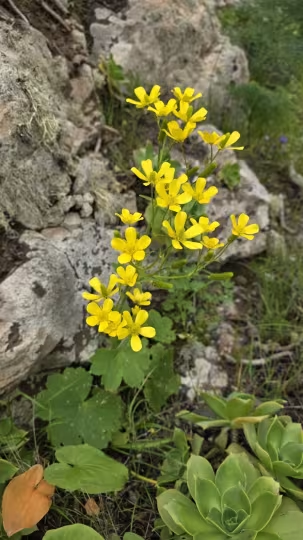
Description
Growing requirements
Ranunculus cortusifolius is an impressive perennial herb belonging to the Ranunculaceae family. Native to the Macaronesian region, particularly the Canary and Azores islands, this species typically thrives in moist, shaded environments such as laurel forests, which define its ecological requirements.
The plant is characterized by its large, orbicular to heart-shaped leaves that bear a striking resemblance to the genus Cortusa, hence its scientific name. During the blooming season, it produces large, bright yellow flowers, often reaching 5 cm in diameter, which add a vibrant touch to its lush foliage.
Agricultural and cultivation requirements focus on rich, humic soils that must remain consistently moist but well-drained. The plant is notoriously sensitive to dehydration and should be placed in sheltered, semi-shaded areas to prevent leaf scorch, as it does not tolerate intense direct sunlight or extreme heat.
In terms of climate, it prefers mild conditions without frost, making it suitable for temperate greenhouse cultivation or specific microclimates in subtropical gardens. Gardeners should ensure an optimal balance of soil moisture and ambient humidity, mimicking the natural conditions of its island habitats.
Its primary use is in ornamental horticulture and botanical conservation. Due to its unique visual appeal and specific environmental needs, it is highly sought after by collectors of rare plants for use in specialized shade garden designs or conservatory displays.
Main diseases and pests
The main threats to this plant are fungal diseases related to excessive moisture and poor soil aeration, such as root rot. To mitigate this risk, it is essential to provide a superior drainage layer in containers and monitor soil moisture levels closely throughout the growing season.
Common pests include aphids and spider mites, which can thrive on the foliage if the surrounding air becomes too dry or stagnant. Implementing an integrated pest management strategy, including manual removal and the use of insecticidal soaps, is usually sufficient to maintain plant health.