
Bulbous buttercup
Ranunculus bulbosus L.
Description
Growing requirements
Bulbous buttercup (Ranunculus bulbosus L.) is a perennial herbaceous plant belonging to the Ranunculaceae family. It is distinct due to its swollen, tuberous base which functions as an organ for storing nutrients and water.
Native to Europe and parts of Western Asia, this plant thrives in open, sunny environments such as dry grasslands, meadows, and pastures. It is highly sensitive to shading and prefers well-drained, neutral to slightly acidic soils.
The biological cycle of this plant is characterized by early spring growth, allowing it to complete its reproductive phase before the peak of summer heat, which it survives in a dormant state.
In terms of agricultural significance, the plant is often regarded as a weed in grazing lands. It possesses chemical defenses that make it unpalatable or toxic to livestock when consumed in fresh forage.
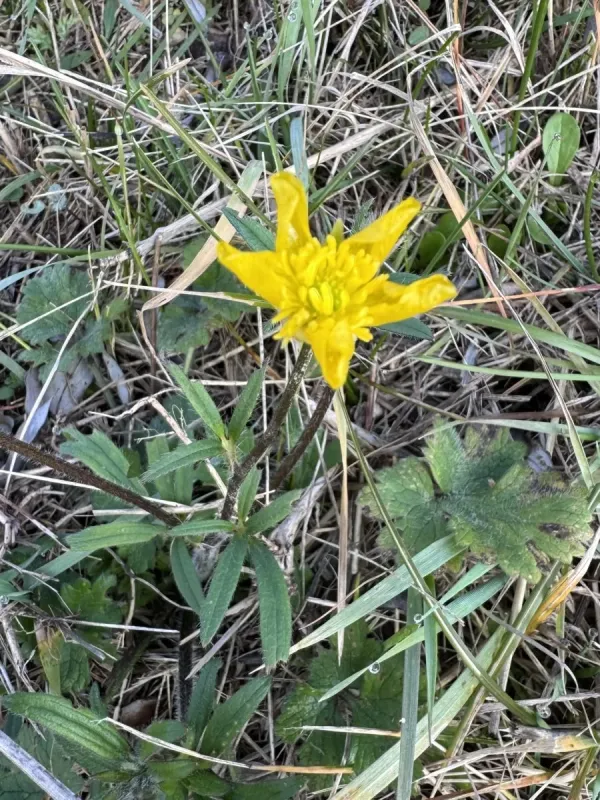
Morphologically, it is recognized by its deeply lobed leaves and bright yellow flowers that appear from late spring to early summer, which easily distinguish it from other species within the genus.
Main diseases and pests
The plant is generally robust against major diseases, though localized infestations of rust or powdery mildew can occur under specific environmental stress factors.
Insect pests such as leaf beetles and certain weevil species are known to feed on the foliage, which can potentially inhibit the plant's ability to store energy in its bulb.
Management strategies focus on preventing seed set through consistent mowing regimes, which eventually weakens the bulbous base and reduces the population density.
Cultural control includes maintaining vigorous competitive grasses in the pasture to suppress the growth of buttercups and minimize their impact on livestock nutrition.
Chemical control must be applied strategically to protect biodiversity in grasslands, as non-selective herbicides can harm valuable forage species like clover and alfalfa.