
Corn buttercup
Ranunculus arvensis L.
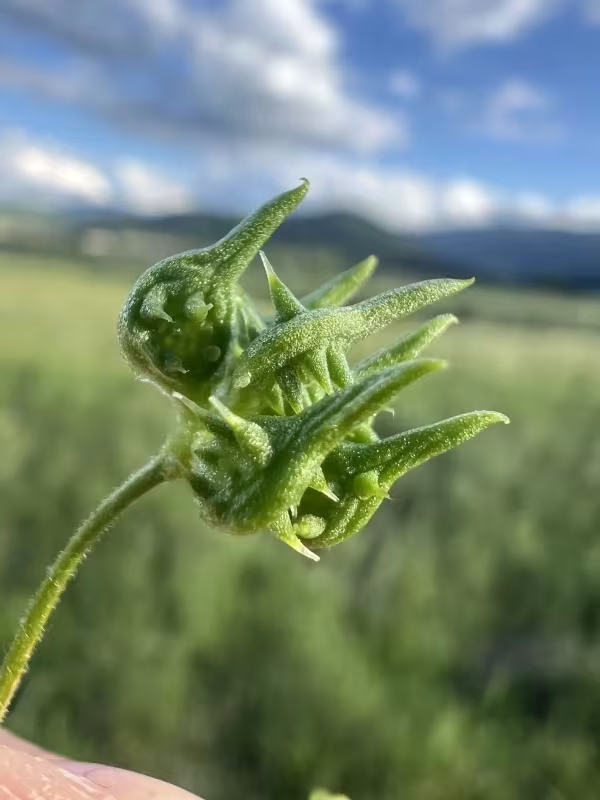
Description
Sowing dates
Corn buttercup (Ranunculus arvensis L.) is an annual herbaceous plant belonging to the Ranunculaceae family. In agricultural settings, it is classified as a significant weed, particularly in cereal crops, rather than a cultivated crop.
The plant life cycle typically includes germination in autumn for winter-sown cereals or in early spring for spring crops. Seeds are known for their longevity in the soil seed bank, making the weed persistent in agricultural fields over multiple seasons.
Originally native to the Mediterranean region and parts of Asia, corn buttercup has become widely naturalized throughout Europe and North America. Its primary habitat consists of cultivated fields, disturbed areas, and heavy soils that retain moisture.
Botanically, the plant features a branched stem reaching 20–60 cm in height. Its most distinct reproductive feature is the fruit, which consists of achenes covered in hooked prickles, facilitating dispersal via animal fur and farm machinery.
The plant exhibits aggressive growth during the tillering phase of cereals. This competition for nutrients and space significantly limits the growth potential of the surrounding crops, leading to substantial yield reductions.
Growing requirements
Corn buttercup thrives in heavy, moisture-retentive soils, particularly heavy clays and loams. It acts as a bio-indicator for poorly drained or compacted soil conditions, often clustering in lower sections of fields where water accumulates.
In terms of climatic adaptation, it is highly resilient, able to survive frost and cold conditions common in the temperate zone. Its development is favored by cool, wet spring seasons, which promote rapid vegetative expansion.
Effective agricultural management requires deep tillage to bury seeds beyond their germination depth. Crop rotation, specifically the inclusion of competitive crops, is essential for reducing the density of buttercup populations over time.
Chemical control remains the primary strategy for large-scale infestations. Herbicides are most effective when applied at the rosette stage. Due to the plant's biology, timing applications before the plant flowers is critical to prevent new seed production.
Seed cleaning protocols are vital to prevent the spread of the weed. The hooked nature of the seeds means they are easily retained in grain batches, necessitating the use of specialized cleaning equipment to ensure high-quality, weed-free harvest.
Main diseases and pests
The primary threat posed by corn buttercup is its toxicity to livestock. The plant contains protoanemonin, a volatile compound that can cause severe irritation of the digestive tract and mucosal membranes if ingested in green fodder or hay.
While the plant is susceptible to some fungal pathogens like powdery mildew, these do not significantly suppress its growth. Instead, the weed often serves as a primary host or reservoir for various plant diseases that eventually affect cereal crops.
Pests have minimal impact on corn buttercup populations due to its toxic chemical profile, which acts as a natural deterrent. This makes the weed robust and difficult to manage through biological means alone.
Crop yield loss is a direct result of resource competition. In highly infested fields, the weed competes heavily for nitrogen and light, often leading to stunted growth of wheat or barley and reducing the total grain harvest by significant percentages.
Economic damage is further compounded by the contamination of grain supplies. The presence of buttercup seeds in harvested grain leads to lower commercial quality, increased cleaning costs, and potential restrictions in the use of the grain for animal feed.