
Randonia
Randonia
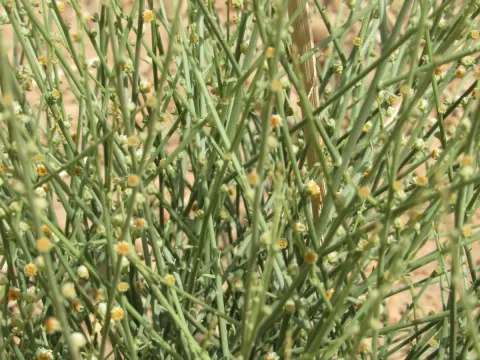
Randonia is a monotypic genus of plants belonging to the Resedaceae family. In natural conditions, this subshrub or herb grows in extremely arid regions, which determines the specifics of its vegetation cycle.
What the section contains

Randonia
Sowing under cultivation conditions or in research plots requires precise adherence to dates, oriented toward soil heating to temperatures typical of the desert areas of North Africa. It is recommended to sow at the end of the spring period.
The seeds of the plant have high germination energy provided that the conditions of their natural habitat are simulated. It is important to ensure a stable temperature range of 20-25 degrees Celsius for successful seedling emergence.
Pre-sowing treatment should be limited to light scarification, as the seed coat is adapted to a long dormant period in dry sand. Excessive soaking can lead to seed rot even before germination.
The sowing depth should be minimal, no more than 0.5–1 centimeter. Small-seeded crops of the Resedaceae family are sensitive to soil density, so the surface must be mulched with a thin layer of sand or a light substrate.
The main requirement for growth conditions is the presence of well-drained, nutrient-poor sandy or stony soils. Randonia does not tolerate waterlogging in the root zone or high water tables.
The plant is a xerophyte and possesses high resistance to extremely high air temperatures. Long-term exposure to direct sunlight is a necessary condition for normal photosynthesis and the development of vegetative mass.
Soil pH levels should be in the neutral or slightly alkaline range. The presence of lime in the soil profile has a positive effect on the chemical composition of the plant and its ability to absorb nutrients.
Humidity levels must be minimal, corresponding to the arid conditions of North Africa. Watering should be extremely sparse and applied strictly to the base of the plant to avoid wetting the aerial parts, which are prone to fungal infections when moisture is excessive.
In regions with temperate climates, growing Randonia is possible only in protected ground conditions or greenhouses with controlled lighting levels. The lack of bright light leads to stem elongation and the loss of the characteristic dense habit.
The main threat to Randonia is root rot, which arises due to uncontrolled substrate waterlogging. Pathogens of the Fusarium family often affect the root collar when the drainage regime is violated.
Among pests, spider mites and thrips pose the greatest threat, as they multiply rapidly in the dry air conditions characteristic of the plant's natural range. Systemic acaricides must be used to combat them.
Powdery mildew can affect the leaves of Randonia during sharp fluctuations in air humidity or insufficient ventilation of rooms. Prevention consists of maintaining humidity regimes and ensuring intensive air circulation.
Insect pests from the Coleoptera order can damage the generative organs of the plant, reducing the potential for seed reproduction. Regular visual inspection of the plants allows for timely detection of insect colonies.
The use of copper-based fungicides helps prevent the spread of bacterial infections, which sometimes manifest as spots on the foliage when humidity increases during night hours.