
Randonia africana
Randonia africana
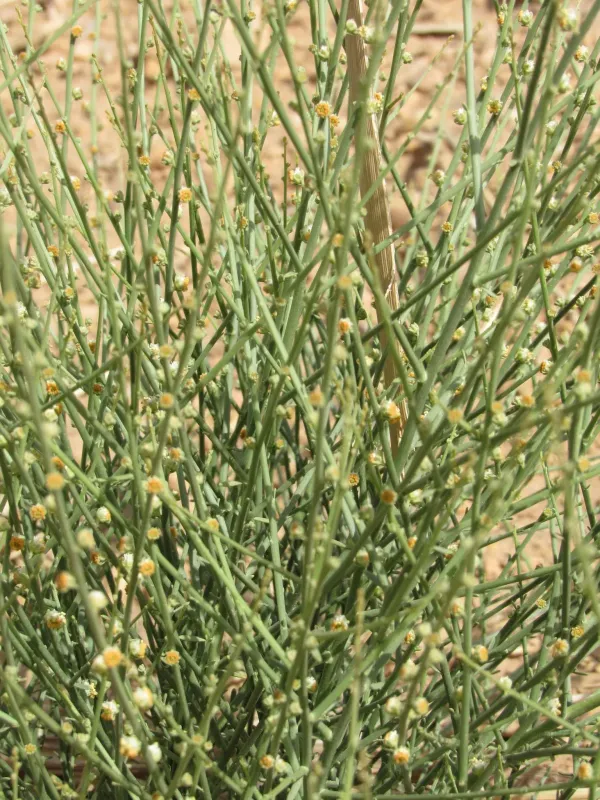
Description
Growing requirements
Randonia africana is a distinct botanical species belonging to the Resedaceae family, naturally occurring in the arid regions of North Africa, particularly in the Sahara desert zones.
This perennial semi-shrub has evolved highly specialized physiological traits to thrive in environments characterized by extreme heat and prolonged water scarcity.
The plant demonstrates significant tolerance to sandy and rocky soils, often thriving in substrates where soil nutrient levels are remarkably low.
Botanically, the plant features a deep taproot system designed to extract moisture from deep soil layers, and its foliage is adapted to minimize transpiration under high solar radiation.
Successful growth of the species requires high light intensity, excellent soil drainage, and climate conditions typical of hot, semi-desert or desert environments.
Main diseases and pests
The primary threats to Randonia africana in its native habitat are associated with environmental instability, including severe sandstorms and catastrophic droughts.
Herbivory by desert-adapted insects, such as locusts, represents the main biotic threat, as they can consume the succulent or semi-succulent parts of the plant during outbreaks.
Fungal diseases are rarely documented in this species, as the ambient humidity in its range is generally too low to support the development of common plant pathogens.
Overgrazing by roaming livestock in arid landscapes poses a significant risk to the localized survival and regeneration of these plant populations.
Due to its status as a wild desert plant, there are no specific commercial crop protection programs or intensive agricultural practices applied to this species.