
Quintinia sieberi
Quintinia sieberi
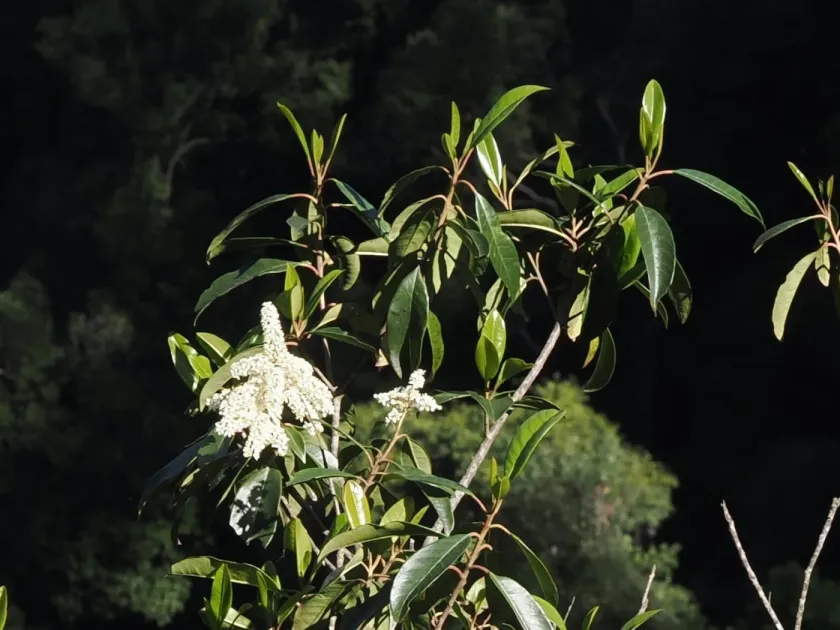
Description
Growing requirements
Quintinia sieberi, commonly known as Possum wood, is an evergreen tree species native to the rainforests of eastern Australia. It belongs to the Paracryphiaceae family and is highly valued for its dense, leathery foliage and elegant growth habit, making it an excellent choice for ornamental landscaping.
The plant prefers a habitat that mimics its natural environment, characterized by moist, well-drained soils rich in organic matter. As an understory tree in its native range, it thrives in partial shade and is sensitive to the harsh intensity of direct sunlight, especially in hot, arid climates.
Soil requirements for Quintinia sieberi are quite specific: it requires a slightly acidic to neutral substrate with a high degree of aeration. Waterlogging is detrimental to the plant's health, so ensuring that the planting site has excellent drainage is a critical step in the successful cultivation of this species.
In terms of climatic conditions, Quintinia sieberi is best suited for subtropical regions with mild winters. While it can withstand light frost when mature, it is generally not considered cold-hardy. Consistent humidity is key to its vitality, often requiring supplemental irrigation during dry periods to prevent leaf scorch.
Agrotechnical maintenance includes minimal pruning to maintain the plant's shape and the application of organic mulch to keep the root system cool. Given its slow growth rate, intensive fertilization is rarely required; rather, a balanced, slow-release fertilizer applied during the growing season is sufficient.
Main diseases and pests
The main threats to Quintinia sieberi usually arise from improper soil moisture management, which predisposes the root system to fungal pathogens like Phytophthora. Prevention relies heavily on choosing well-drained soil and avoiding overwatering, especially during the dormant winter months.
Pest issues are relatively infrequent but can include sap-sucking insects like scale insects, particularly if the plant is grown in greenhouse conditions with poor ventilation. Regular monitoring and physical removal or biological pest control methods are usually effective in maintaining plant health.