
Quintinia parviflora
Quintinia parviflora
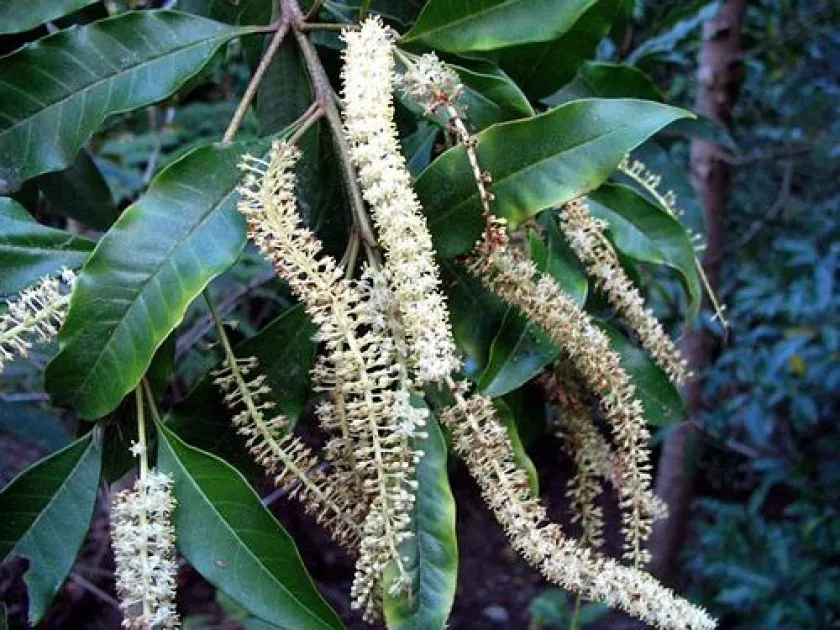
Description
Growing requirements
Quintinia parviflora is a distinct species within the Paracryphiaceae family. Native to the mountainous regions of New Zealand, this evergreen plant is highly valued for its dense foliage and unique botanical structure within indigenous forest ecosystems.
The cultivation of this plant requires specific environmental conditions, primarily high humidity and stable, cool temperatures. It thrives best in well-drained, acidic to neutral soil that mimics the rich, organic matter found on the forest floor.
Sunlight requirements are strictly limited to partial or dappled shade. Direct, harsh sunlight can damage the leaves, causing leaf scorch and dehydration. Providing a sheltered position in the landscape is crucial for the health and vitality of the plant.
Agricultural management includes a consistent watering schedule, especially during periods of low rainfall. Applying organic mulch around the root zone helps maintain soil moisture levels and protects the superficial root system from thermal stress during hot summer days.
As an ornamental species, it is frequently used to add texture and depth to landscape compositions. Its slow growth rate and attractive year-round greenery make it a preferred choice for temperate gardens seeking to recreate a natural woodland ambiance.
Main diseases and pests
Like many mountain-native plants, Quintinia parviflora is susceptible to root rot if the soil remains waterlogged. Ensuring that the planting site has excellent drainage is the most effective preventative measure against fungal development.
Pests such as scale insects and aphids may occasionally infest the plant, typically colonizing the undersides of leaves or soft new stems. These pests can weaken the specimen if left unmanaged, often leading to secondary issues like sooty mold.
Regular maintenance of the tree, including the removal of dead or crossing branches, ensures better airflow. This practice reduces the humidity trapped within the dense canopy, making it less hospitable to fungal spores and soft-bodied insect pests.
Integrated pest management, including the introduction of natural predators or the use of horticultural oils, is recommended if an infestation occurs. Avoid harsh systemic chemicals, as the plant reacts better to gentle, sustainable gardening practices.
Monitoring for leaf discoloration or unusual stunted growth is recommended throughout the growing season. Early detection allows for immediate intervention, ensuring that the plant retains its ornamental value and vigor throughout its long lifespan.