
Pyracantha atalantioides
Pyracantha atalantioides (Hance) Stapf
Description
Sowing dates
Propagation of Pyracantha atalantioides is commonly achieved through seeds or stem cuttings. Seeds should be stratified for at least two months in a cool environment to ensure uniform germination rates.
Sowing in seed trays filled with a well-draining potting mix is recommended during early spring. Keep the medium consistently moist but not waterlogged until seedlings emerge.
For vegetative propagation, semi-hardwood cuttings of 10-15 cm should be collected during mid-summer. Treating the base with rooting hormone significantly increases success rates.
When transplanting young plants to their permanent location, ensure the soil is loose and free of weeds. Spacing should be determined by the intended use, such as a dense hedge or a solitary specimen.
Young shrubs benefit from a layer of organic mulch applied around the base, which helps regulate soil temperature and moisture retention during the crucial establishment phase.
Growing requirements
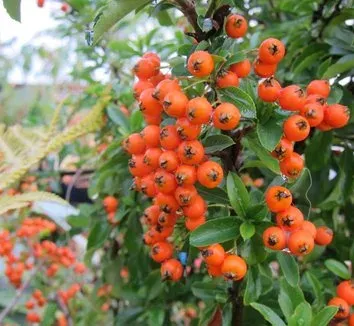
Belonging to the Rosaceae family, Pyracantha atalantioides is a vigorous evergreen shrub native to China. It is highly valued for its dense foliage, sharp thorns, and persistent bright red berries.
The species is adaptable to various soil types, preferring neutral to slightly alkaline pH levels with excellent drainage. It thrives in sunny locations but can tolerate partial shade.
Climate adaptability is a notable feature, though it performs best in regions with mild winters. In areas with extreme frost, some winter protection may be necessary to prevent branch dieback.
Regular maintenance involves light pruning to keep the shrub's shape and density. It is highly responsive to shearing, making it an excellent choice for formal garden borders and screens.
Watering requirements are moderate; established plants are relatively drought-tolerant. However, supplemental irrigation is recommended during prolonged dry spells to ensure optimal fruit production.
Main diseases and pests
Fire blight is the most significant threat to this species. Characterized by sudden wilting and blackening of branches, it requires prompt removal and destruction of infected material.
Pests such as aphids and scale insects are commonly found on the undersides of leaves. Integrated pest management, including the use of horticultural oils, is often effective for control.
Powdery mildew may develop in humid conditions with poor airflow. Improving the spacing between plants and thinning out the canopy can mitigate the risk of fungal spread.
Root rot occurs in poorly drained soils where water stagnates. Maintaining proper soil structure and avoiding overwatering are essential strategies for long-term plant health.
Scab infection can affect both leaves and berries, leading to unsightly spots. Regular application of copper-based fungicides during the growing season can act as a preventive measure.