
Miscanthus sinensis purpurascens
Miscanthus sinensis Andersson subsp. purpurascens (Andersson) Tzvelev
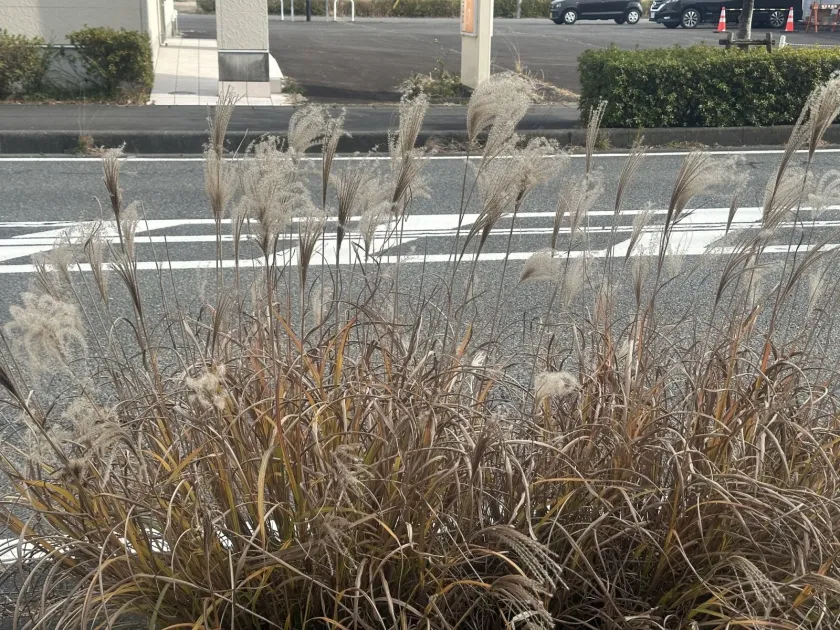
Description
Sowing dates
Miscanthus sinensis subsp. purpurascens is a robust perennial grass belonging to the Poaceae family. It is widely recognized both as an ornamental plant for its vibrant foliage and as a promising crop for sustainable biomass production.
The standard method of propagation for commercial or landscape purposes is the division of rhizomes. Planting is ideally performed in early spring as the soil begins to warm, ensuring the root system can establish itself before the heat of summer.
When planting, it is essential to prepare the site by removing all perennial weeds, as the young shoots are initially slow-growing and can be easily outcompeted by aggressive weeds in the first season.
For energy production, a specific density should be maintained to optimize biomass yield. Depending on the soil quality and climate, a planting density of approximately 15,000 to 20,000 rhizomes per hectare is commonly recommended.
Once established, the rhizomatous root system allows the plant to expand and fill the space over time, creating a dense stand that requires minimal maintenance in subsequent years of growth.
Growing requirements
The plant thrives in sunny locations. Exposure to full sunlight is critical for the development of its signature purplish-red fall foliage, which gives the plant its name and aesthetic appeal.
Regarding soil, this grass is highly adaptable but prefers fertile, moist, and well-draining soils. While it tolerates a variety of soil types, it performs best in neutral to slightly acidic conditions.
This subspecies is exceptionally cold-hardy, making it suitable for regions with harsh winters. It is known for its ability to withstand low temperatures that would damage other ornamental grass varieties.
While mature plants are relatively drought-tolerant, consistent moisture is vital during the establishment phase. Proper irrigation in the first year significantly improves the survival rate and long-term biomass productivity.
In terms of fertilization, applying nitrogen in early spring helps boost vegetative growth. However, care should be taken not to over-fertilize, as the plant is efficient at nutrient uptake and can maintain productivity even in moderate soil fertility.
Yield
The biomass yield potential of Miscanthus sinensis purpurascens is substantial. A plantation typically reaches peak productivity by the third year and can maintain a high harvestable volume for up to two decades.
Average yields of dry biomass range from 15 to 25 tons per hectare, depending on local weather conditions, irrigation availability, and the duration of the growing season in the specific region.
A key advantage of this species for energy applications is the natural drying process. As the plant enters dormancy, moisture levels in the stems decrease, making the biomass ready for harvest and combustion with minimal energy input for drying.
The calorific value of the dry stems is comparable to wood fuel, making it an excellent candidate for the production of heating pellets, briquettes, and industrial bio-energy applications.
By eliminating the need for annual land preparation and planting, this perennial crop significantly reduces operational costs, providing a sustainable and cost-effective source of renewable energy.
Main diseases and pests
Miscanthus is generally resistant to most common plant diseases and pests, which serves as a major benefit for low-input agricultural management and environmentally conscious farming practices.
Occasional fungal issues can occur if the plants are situated in areas with poor air circulation and excessive standing water. Selecting sites with good drainage and proper row spacing is the best preventative strategy.
Ground-dwelling pests, such as wireworms, may affect young plants. However, as the plant matures and the rhizome mass increases, it becomes extremely resilient and largely unaffected by typical agricultural insect populations.
The primary threat remains competition from weeds during the first year. Effective weed management strategies, such as mulching or mechanical cultivation, are necessary until the stand is fully established.
- Maintain good drainage to prevent root rot.
- Monitor for weed pressure in the first year.
- Avoid excessive moisture in stagnant planting areas.
Harvesting
Harvesting usually occurs in late winter or early spring after the stalks have fully dried. This timing ensures the lowest possible moisture content, which is essential for efficient thermal processing.
Industrial harvesting is typically carried out using modified forage harvesters that cut and shred the stalks in a single pass, turning the standing crop into chips suitable for transport and storage.
Precision is important when setting the height of the cut. Leaving a short portion of the stem protects the crown of the plant and its overwintering buds, ensuring vigorous regrowth in the next season.
The harvested material can be easily handled by existing biomass supply chain infrastructure, making it a logistically viable source of fuel for commercial heating systems and local power plants.
After the harvest, the plantation remains in a dormant state until the return of warmer weather, at which point the rapid cycle of spring regrowth begins again, repeating the production process without further human intervention.