
Chinese silver grass
Miscanthus sinensis Andersson
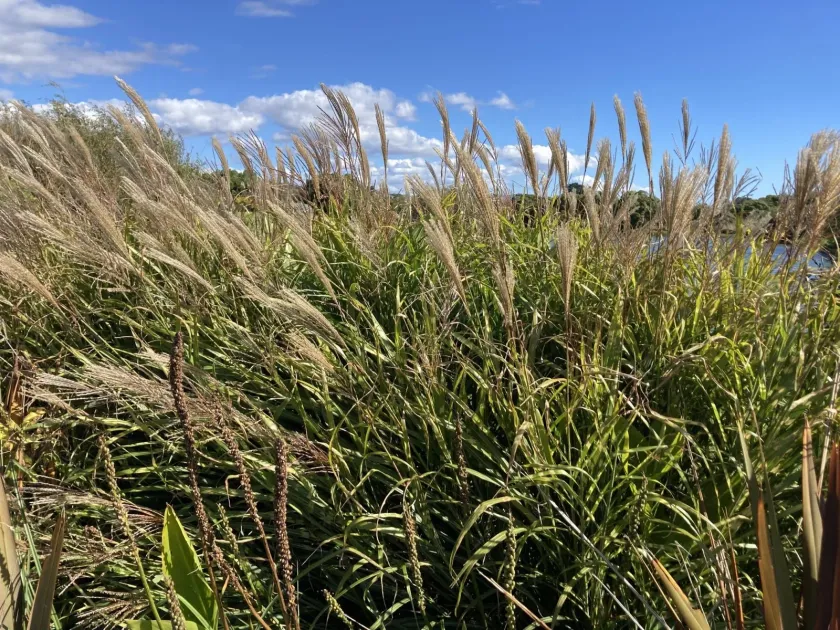
Description
Sowing dates
Miscanthus sinensis, commonly known as Chinese silver grass, is a perennial grass species belonging to the Poaceae family, widely recognized for its high biomass potential.
Planting is best performed in early spring, once the soil has warmed sufficiently, typically when temperatures are consistently above 10°C to support root establishment.
Rhizomes should be planted at a depth of 10 to 15 cm to protect them from desiccation and to ensure they remain moist during the initial growth phase.
Prior to planting, the field must be thoroughly prepared by deep plowing and harrowing to eliminate perennial weeds that could compete with the slow-growing young plants.
A density of 15,000 to 20,000 plants per hectare is usually recommended to ensure a uniform canopy and optimal biomass accumulation within the first few years.
Growing requirements
This crop thrives in sunny locations with fertile, well-drained soils, preferably with a pH ranging from neutral to slightly acidic for the best nutrient uptake.
Native to East Asia, Miscanthus sinensis is well-adapted to temperate and subtropical climates, requiring sufficient water during the active growing season.
Although it shows some drought tolerance once fully established, consistent moisture availability is crucial for achieving high dry matter yields during summer.
Poorly drained or waterlogged soils should be avoided as they pose a high risk of rhizome rot, particularly during the dormant winter months.
Fertilization is beneficial in the first two years of establishment, focusing on nitrogen application to encourage vegetative growth and vigorous root development.
Yield
Under optimal conditions, Chinese silver grass can produce between 15 and 25 tonnes of dry biomass per hectare annually, making it an excellent energy source.
The plantation reaches peak production by the third or fourth year, maintaining high output levels for up to two decades without the need for replanting.
The biomass serves as a vital resource for renewable energy, including the production of high-quality pellets, briquettes, and industrial cellulose products.
In addition to energy use, it is increasingly valued for its role in land restoration, soil erosion control, and as a carbon-sequestering perennial crop.
Economic sustainability is supported by the low annual maintenance costs once the crop is established, as the rhizomes regenerate growth every year.
Main diseases and pests
Miscanthus is generally considered a robust plant with high resistance to major pests and diseases, which significantly reduces the need for chemical intervention.
Occasional pressure from soil-borne insects, such as wireworms, may occur during the establishment year when young roots are vulnerable to damage.
Fungal leaf diseases can appear in regions with extremely high humidity or poor air circulation, particularly in stands that are too densely planted.
Integrated pest management focuses on preventive measures, such as proper site selection and maintaining healthy soil conditions to minimize disease spread.
Regular monitoring during the first growth stages is sufficient to manage most biotic threats, as the plant quickly outgrows most common agricultural pests.
Harvesting
Harvesting is typically performed in late winter or early spring, after the foliage has died back and the moisture content has dropped to around 15–20%.
Waiting for the plant to dry naturally in the field saves significant energy and costs associated with artificial drying before processing the biomass.
Standard farm equipment, including forage harvesters or adapted combine harvesters, is used to cut and chop the stalks into the desired fraction for handling.
Timing is critical: the harvest must be completed before the new green shoots emerge in the spring to ensure the long-term vitality of the root system.
After harvesting, the field is often left with a mulch layer of leaf litter, which helps suppress weeds and provides nutrients to the soil for the next cycle.