
Pseudorhipsalis alata
Pseudorhipsalis alata
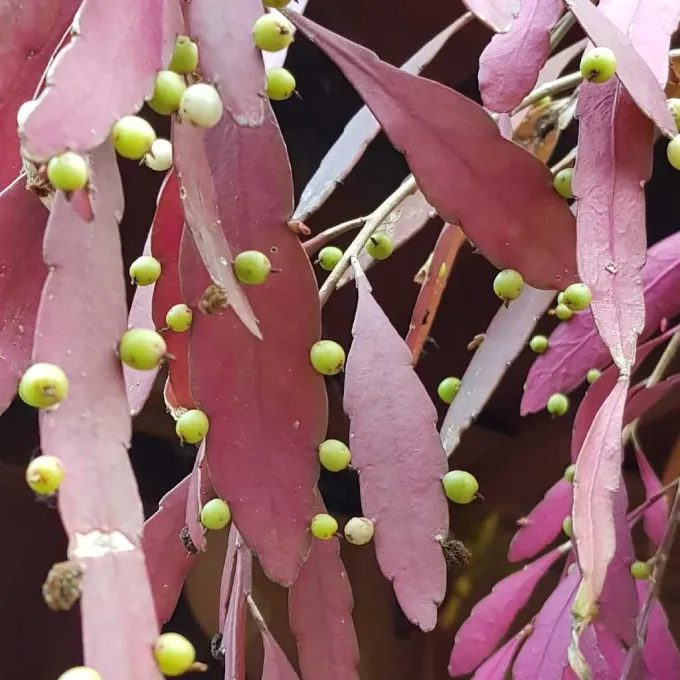
Description
Growing requirements
Pseudorhipsalis alata is a fascinating member of the Cactaceae family, natively adapted to an epiphytic lifestyle in the humid tropical forests of Central and South America.
Cultivating this plant successfully requires providing bright but filtered light, as the plant naturally grows under the forest canopy and is sensitive to intense direct sunlight.
The ideal climatic conditions for this species involve maintaining temperatures between 20°C and 25°C, coupled with high atmospheric humidity to replicate its natural environment.
The growing medium must be highly porous and well-draining, typically utilizing an orchid-style substrate, to ensure proper air circulation around the root system.
Botanically, it is recognized by its flattened, winged stems that trail downward, making it a highly valued specimen for decorative indoor displays and conservatory collections.
Main diseases and pests
The primary insect pests affecting Pseudorhipsalis alata include mealybugs and scale insects, which can rapidly infest the stem junctions and sap the plant's vitality.
Fungal pathogens represent a major threat when the plant is kept in waterlogged conditions, frequently leading to systemic rot that is difficult to reverse once established.
Effective management strategies include ensuring sufficient ventilation around the stems to prevent moisture accumulation and using appropriate systemic insecticides if an infestation is detected.
Avoiding the use of overly dense potting media is crucial, as this directly reduces the likelihood of root rot caused by stagnant water and lack of oxygen.
Regular monitoring of the plant, especially the undersides of the stems, is essential for early detection and mitigation of pests or disease symptoms before they cause significant damage.