
Protium serratum
Protium serratum
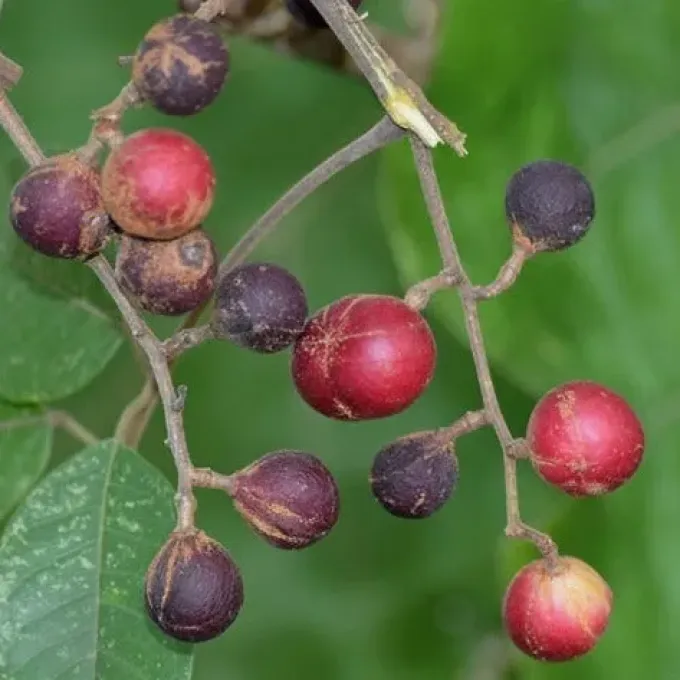
Description
Growing requirements
Protium serratum is a notable member of the Burseraceae family, predominantly found in the tropical forests of South and Southeast Asia. It is an evergreen tree species that contributes significantly to local biodiversity and rural economies.
The tree thrives in tropical climates where the temperature remains consistently warm. It performs best in areas with well-defined rainy seasons, which provide the necessary moisture for rapid biomass accumulation during the early developmental stages.
Soil requirements for this species focus on drainage and texture. It prefers deep, nutrient-rich soils that allow for extensive root penetration. While it can survive on poorer substrates, its growth rate and timber quality are significantly higher on fertile, loamy sites.
Regarding silvicultural management, young seedlings require protection from intense direct sunlight and competing weeds. Once established, the tree demonstrates good resilience and can compete effectively with other forest vegetation.
The wood of Protium serratum is valued for its durability and specific grain pattern, making it suitable for furniture and light construction. Additionally, the tree is known for its resin-producing capabilities, which have historically been utilized in local industry.
Main diseases and pests
Biological threats include various wood-boring beetles that target the cambium layer. Prevention involves maintaining forest hygiene and removing severely infested trees to prevent the spread of pests.
Fungal diseases affecting the leaves and branches are common in nurseries where ventilation is poor. Proper spacing and thinning of the canopy help reduce humidity levels around the tree foliage.
Root system vulnerability during the seedling phase often leads to damping-off if the soil remains saturated for extended periods. Implementing proper soil drainage techniques is critical for survival.
Defoliating insects can occasionally cause outbreaks, especially during the peak of the rainy season. Monitoring the canopy density and applying integrated pest management strategies are advised for plantations.
Environmental stress, such as prolonged drought, can make the trees more susceptible to pathogens. Supplying additional water during critical growth periods helps maintain the health of the stands.