
Javanese Protium
Protium javanicum
Description
Growing requirements
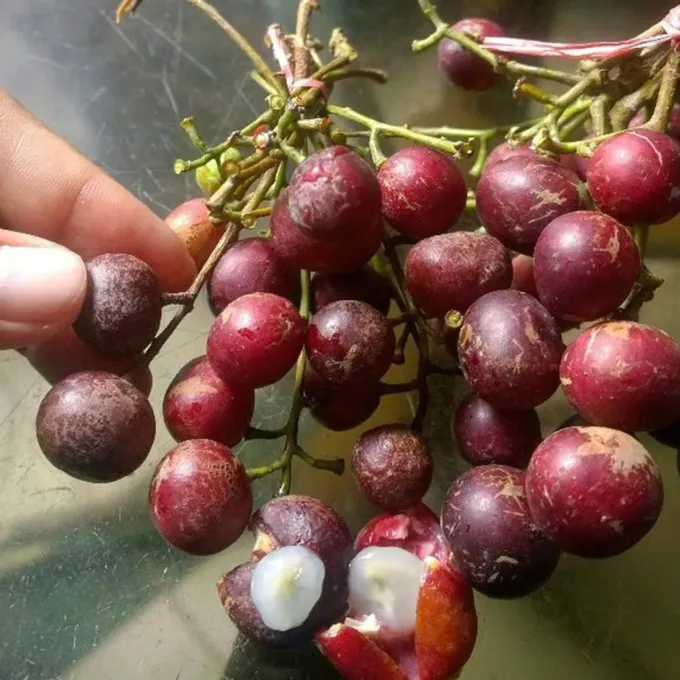
Javanese Protium (Protium javanicum) is a woody species belonging to the Burseraceae family. Native to tropical regions of Southeast Asia, it is highly adapted to humid and warm forest environments.
The plant requires a stable tropical climate with consistent temperatures ranging from 22°C to 30°C. It is sensitive to sudden drops in temperature and cold spells, which can severely stunt its growth.
Regarding soil requirements, this species thrives in well-drained, fertile soils. Good soil aeration is essential, as the plant is highly susceptible to root damage in waterlogged or heavy clay environments.
Sunlight exposure is crucial for the optimal development of this tree. It requires a significant amount of direct light to reach its full potential, making it less suitable for understory planting.
Agricultural management includes regular mulching and ensuring adequate moisture levels during the dry season. Maintaining soil health through organic amendments helps in supporting the tree's vigorous growth.
Yield
The primary economic value of Javanese Protium lies in its high-quality timber. The wood is appreciated for its durability and structural stability, finding wide use in furniture manufacturing.
Besides its timber, the species is known for the production of aromatic resins. Resin is harvested through controlled bark incisions, providing a secondary source of income for producers.
Yield capacity is largely determined by tree maturity and plantation density. Managed plantations aim for a sustainable harvest cycle that balances wood growth and resin yield over time.
The processing of these products supports local woodworking industries, where the wood is favored for its ease of carving and finishing qualities.
Strategic management of the plantation cycle ensures a consistent output. Long-term investment in these trees is typical due to their extended maturation period compared to faster-growing species.
Main diseases and pests
Major threats to Protium javanicum include boring insects that infiltrate the trunk, potentially compromising the structural integrity of the tree and affecting wood quality.
Fungal infections in the root zone are a risk, particularly in conditions where drainage is inadequate. Pathogens flourish in high-moisture environments with poor air circulation.
Sanitation practices, such as removing infected branches and thinning crowded areas, are essential. These measures reduce the likelihood of disease transmission among the trees.
Integrated Pest Management (IPM) is recommended to control populations of harmful insects without relying exclusively on chemical treatments that could disrupt the local ecosystem.
Regular site monitoring is vital for early detection of stress symptoms. Proactive maintenance remains the most effective strategy for ensuring the long-term health of the crop.