
Protium attenuatum
Protium attenuatum
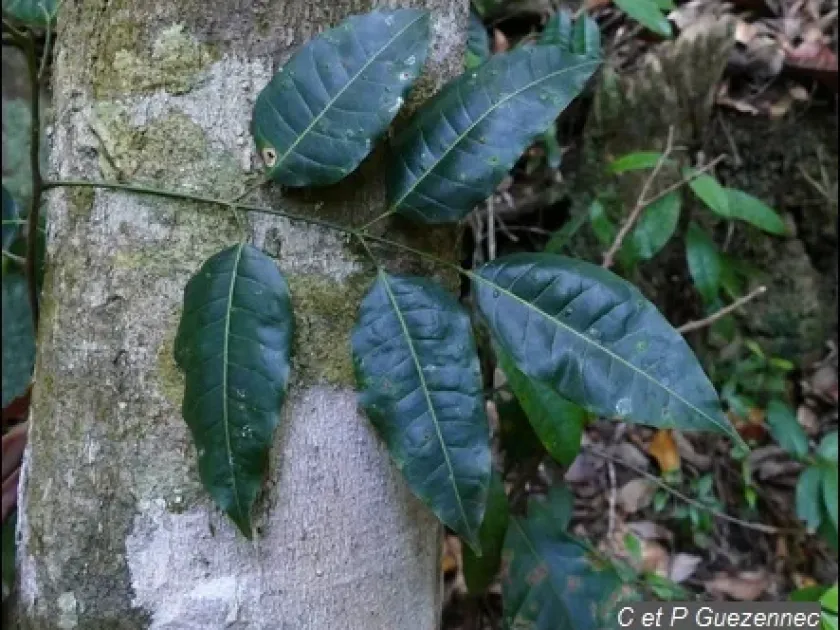
Description
Sowing dates
Protium attenuatum is an evergreen tree species belonging to the Burseraceae family. In its natural habitat, the plant primarily reproduces via seeds, which require specific environmental conditions to achieve optimal germination success.
In cultivation, seeds are sown in a nutrient-rich, well-draining medium. The ideal temperature for germination is maintained between 25 and 28 degrees Celsius, with consistent humidity levels being critical to prevent the seeds from drying out.
The germination period can last several weeks, necessitating careful monitoring of the moisture levels in the substrate. Over-watering is to be avoided at all costs, as excessive moisture can lead to fungal issues and seed decay.
Using a nursery setup for early development allows growers to establish a robust root system before transplanting. Once the seedlings reach approximately 30 centimeters in height, they are ready to be moved to their permanent location.
Young trees thrive when initially shaded, mimicking the environment of the forest understory. As they mature, the trees can be gradually exposed to more light to encourage hardening of the trunk and structural stability.
Growing requirements
This crop requires a tropical climate with year-round warmth to flourish. It is sensitive to extreme temperature fluctuations and cold drafts, making it suitable only for specific equatorial regions or controlled environments.
Soil requirements focus on excellent drainage capacity. The plant is prone to root rot if water stagnation occurs, so sandy or loamy soils with high organic matter content are preferred for optimal growth and root health.
Regular irrigation is essential, particularly during the first few years of the tree's life. While mature trees develop some resilience, maintaining soil moisture through dry spells is beneficial for sustaining the production of resins.
A balanced fertilization program using organic amendments improves soil biology. Adding compost or mulch helps maintain the acidity levels that Burseraceae species generally favor for nutrient uptake.
The plant demonstrates a high need for indirect or diffused light. Direct exposure to intense midday sun in some regions can be detrimental, causing leaf scorch and reduced metabolic efficiency in younger trees.
Harvesting
The primary agricultural utility of Protium attenuatum is the extraction of aromatic resin. This material is collected by making controlled incisions in the bark, from which the valuable resinous exudate slowly flows.
Harvesting is performed during the dry season to ensure the purity of the resin. Care must be taken to avoid over-tapping the trees, as excessive wounding can weaken the tree's immune system and lead to long-term health issues.
After collection, the raw resin is cleaned to remove bark debris and other organic impurities. High-quality resin is highly sought after for its use in perfumes, incense production, and various medicinal preparations.
Beyond resin, the wood of the tree is occasionally used in local carpentry. It is appreciated for its fine texture and the lingering natural fragrance imparted by the resin content within the wood fibers.
Sustainable management of the stands is crucial for long-term productivity. By rotating harvesting sites and allowing trees sufficient recovery time between extractions, farmers can ensure the longevity and health of the population.